How to Handle Sibling Fights Without Picking Sides (What Worked for My Family)
If you’ve been searching for how to handle sibling fights without picking sides, let me reassure you of one thing—you are not the only parent living in what feels like a tiny wrestling arena.
Around dinner time in my house, you would probably think you’ve accidentally walked into a WWE WrestleMania event. The noise level is unbelievable, the emotions are high, and peace suddenly feels like something that belongs in another neighborhood.
The Daily Drama: Life in a Sibling Wrestling Arena
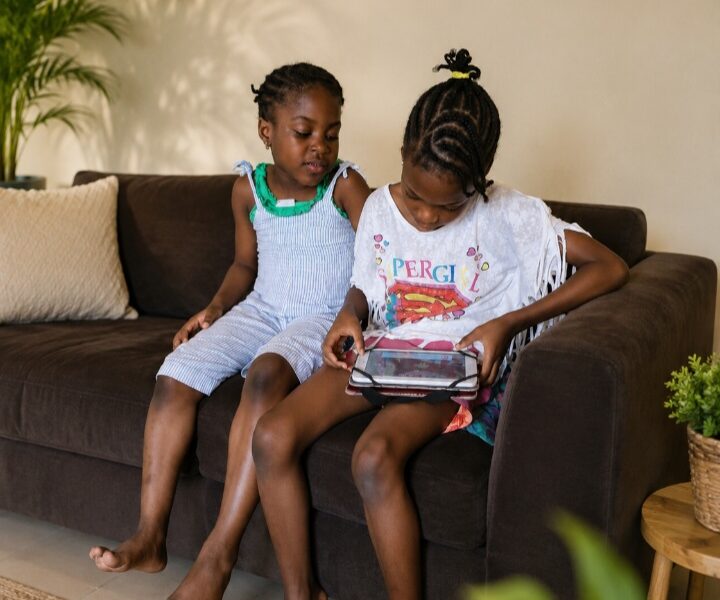
My seven-year-old daughter will hold the television remote with both hands, determined to watch Bluey. Meanwhile, my five-year-old is crying dramatically because she insists she wants Paw Patrol. The funny part? They both adore Bluey. But once the disagreement begins, it is no longer about cartoons. Suddenly, it becomes about who gets to win.
Then comes the dramatic foot-stomping.
The loud crying.
The shouting.
The famous “Mummy, she’s not being fair!”
And if you think the battle ends there, think again.
Thirty minutes later, we’re in the bathroom having another showdown over who gets into the bathtub first. Somehow, the same two children who were just fighting over the TV are now convinced that stepping into the bath first is the most important event of the day.
For a long time, I believed my job as their mother was to investigate every disagreement like a detective.
Who had the remote first?
Which child started shouting?
Who pushed first?
And who actually deserved the first turn?
Every fight became an investigation, and each disagreement needed a verdict. As a result, every evening felt like I was presiding over a courtroom.
The result? Someone always left crying. One child believed I loved the other more. The other walked away feeling victorious. Neither one actually learned how to solve a disagreement, and I was completely exhausted.
Everything changed when I stopped trying to figure out who was right and started teaching them how to solve the problem together.
Learning how to handle sibling fights without picking sides isn’t about ignoring conflict or pretending everything is okay. It’s about raising children who know how to communicate, compromise, and resolve disagreements without depending on Mum to settle every argument.
The simple four-step approach I’m about to share has transformed many of the daily battles in our home. My girls still disagree sometimes—they’re sisters, after all—but now they spend far less time trying to convince me to choose a winner.
Table of Contents
Why Sibling Fights Are Completely Normal
Before we talk about how to handle sibling fights without picking sides, we need to answer a question that many parents secretly ask: “Is something wrong with my children?”
The answer is almost always no.
Sibling conflict is one of the most normal parts of growing up. Children are learning how to share, communicate, manage disappointment, regulate big emotions, and solve problems—all at the same time. Those are difficult skills even for many adults, so it’s no surprise that children sometimes struggle.
Think about it. Your children share almost everything. They share parents, toys, bedrooms, the television, attention, and even snacks. That’s a lot of opportunities for disagreements.
Every conflict gives children another chance to practise important life skills like:
-
Communicating respectfully
-
Waiting patiently
-
Taking turns
-
Understanding another person’s perspective
-
Compromising
-
Managing frustration
-
Repairing relationships after disagreements
The goal isn’t to eliminate sibling arguments completely. That probably isn’t realistic. The goal is to help children learn how to move through disagreements in healthy ways.
Once I accepted that fights weren’t proof I was failing as a parent, I stopped panicking every time voices became louder. Instead, I started seeing those moments as opportunities to teach simple daily habits that build independent kids.
Why Do Siblings Fight So Much?
Sometimes it feels like children can argue over absolutely anything. In our house, the disagreements have included:
-
The TV remote
-
Who gets the blue plate
-
Who sits beside Daddy
-
Who presses the elevator button
-
Who gets into the bathtub first
-
Who opens the front door
-
Whose turn it is to feed the baby
-
Who gets the bigger slice of watermelon
To adults, these arguments seem completely unreasonable. But to children, they feel incredibly important. Most sibling conflicts usually happen because of one or more of these reasons:
-
They Are Competing for Attention: Even in loving homes, children naturally want to feel noticed. Sometimes negative attention feels better than no attention at all. If every argument ends with Mum spending ten minutes sorting it out, children can unknowingly learn that fighting is an effective way to get her full attention.
-
They Are Still Learning Emotional Control: Young children don’t naturally know how to stay calm when they’re frustrated. Their brains are still developing the skills needed to pause, think, and respond calmly. Instead, emotions often come pouring out as tears, shouting, or stomping feet.
-
They Want Independence: As children grow older, they want more control over their choices. Choosing the TV programme, deciding who goes first, or picking the bedtime story may seem like tiny decisions to us, but to them, those choices represent independence.
-
They Have Different Personalities: One child may naturally be patient while another is determined. Different personalities often clash, especially when siblings spend so much time together.
Understanding these reasons helped me stop seeing every fight as bad behavior. Instead, I began seeing children who simply needed guidance on how to handle sibling fights without picking sides when tempers flare.
Why Being the Family Referee Usually Backfires During Sibling Fight
Whenever my girls started arguing, my first instinct was always the same: “Tell me exactly what happened.”
I wanted facts. Evidence. Witnesses. A timeline. Looking back now, I laugh because I sounded more like a police investigator than a mum.
The problem was that every investigation ended exactly the same way. Someone won, someone lost, the child who “won” felt justified, and the child who “lost” felt misunderstood. Within minutes, another argument would begin.
It took me much longer than I’d like to admit to realise something important: every time I solved their disagreement for them, I was taking away an opportunity for them to learn how to handle sibling fights without picking sides on their own.
Children become skilled at whatever they practice. If they practice running to Mum every time there’s a disagreement, that’s exactly what they’ll continue doing. If they practise negotiating, listening, taking turns, and finding solutions together, those are the skills that grow stronger over time.
That simple shift completely changed how I approached sibling conflict. Instead of asking, “Who started it?” I started asking, “How can I coach them through solving this themselves?”
My 4-Step Method for Handling Sibling Fights
After trying countless lectures, warnings, and referee-style investigations, I realized something had to change. This four-step routine isn’t magic, and my girls didn’t suddenly stop arguing overnight. But consistency changed everything.
If you’re wondering how to handle sibling fights without picking sides, these are the exact four
steps that helped bring peace back to our home.
Step 1: Describe What You See Instead of Deciding Who Is Wrong
One of the biggest parenting mistakes I used to make was trying to figure out who started the fight by asking questions like: “Who pushed first?” or “Who was using it first?”
The problem? Each child had a completely different version of the story, and everyone ended up
even more upset.
Now I calmly describe what I observe without blaming anyone:
“Whoa, I see two very upset girls, one television remote, and a lot of shouting.”
or
“It looks like you’re both frustrated because you both want the same thing.”
Notice what I’m not saying. I’m not accusing, judging, or deciding. I’m simply describing. This small change immediately lowers defensiveness because neither child feels attacked.
Why This Works:
Young children often enter “fight mode” when they believe someone is blaming them. Describing the situation without blame helps everyone calm down enough to think clearly. I’ve noticed that even my seven-year-old softens when she realizes I’m not trying to catch anyone doing something wrong, while my five-year-old cries less because she feels seen instead of ignored.
Step 2: Put the Object in “Time-Out”
This was probably the biggest game changer in our house. If they’re fighting over something, nobody gets it.
-
If it’s the television remote, the television goes off.
-
If it’s a toy, the toy goes on top of the kitchen cabinet.
-
If it’s a tablet, the tablet gets put away.
-
No debates. No negotiations. No exceptions.
The first time I turned off the television during the famous Bluey-versus-Paw Patrol argument, they stared at me in disbelief. Then came louder crying and complaints: “Mummy! That’s not fair!”
I stayed calm and simply repeated:
“The TV isn’t the problem. The fighting is. When we know how to solve the problem peacefully, the TV can come back.”
It wasn’t easy, but children learn quickly from consistency. Once they realized fighting meant everyone lost access to the item, the arguments started becoming much shorter.
Why This Works:
Removing the object changes the focus. Instead of competing against each other for the prize,
-
Removing the object changes the focus. Instead of competing against each other for the prize, both children now have the same goal: finding a peaceful solution. The fight is no longer about winning—it’s about cooperation.
Step 3: Acknowledge Their Feelings Without Choosing a Side
Children don’t stop crying because we tell them to calm down. They calm down because they feel understood.
Now I make space for their emotions. I might say:
“You’re disappointed because you wanted to watch your programe.”
Then I turn to the other child:
“And you’re frustrated because you were waiting for your turn too.”
Notice that I validate both children—not one, but both. I’m not saying either child is right; I’m simply recognizing that both are having real feelings.
Why Feelings Matter:
When we acknowledge emotions, we show our children that feelings are normal, but feelings don’t get to control our behavior. Learning this emotional balance early is essential if we want to understand how to raise emotionally resilient children who can navigate difficult moments with confidence.
Step 4: Give the Problem Back to the Children
This is where the real learning happens. After the object has been removed and everyone has calmed down, I simply say:
“The television stays off until the two of you come up with a plan that feels fair to both of you.”
Then, I stop talking and walk away.
-
Walking away sends a powerful message: I believe you’re capable of working this out together.
At first, my daughters followed me into the kitchen saying, “Mummy, tell her!” or “Mummy, she’s not listening!” I’d gently reply:
“I know you can solve this. Let me know when you’ve agreed.”
Eventually, they started talking to each other instead of talking to me. One would suggest taking turns, another would ask for a timer, or they’d decide to watch one program today and another tomorrow. Because they created the solution, they were much more willing to stick to it.
How to Resolve Sibling Fight: Real-Life Examples
-
It’s one thing to read a parenting strategy on a blog. It’s another thing entirely to use it when two tired children are crying at the top of their lungs while you’re trying to finish cooking dinner. Here is how we put these steps into action during our two biggest daily trigger points.
How We Stopped the Daily TV Remote Battles
My older daughter would grab the remote and announce she was watching Bluey. My younger daughter would burst into tears because she wanted Paw Patrol.
The argument wasn’t really about the television; it was about control and wanting their own choice to matter.
The first time I used the four-step method, I calmly picked up the remote, switched off the television, and told them it would stay off until they had a fair plan. Then I walked away.
-
After a few minutes of complaining, they began talking to each other. They decided to alternate episodes using a kitchen timer. Today, whenever a disagreement brews near the TV, they’re much more likely to say, “Let me set a timer” instead of running to me.
The Bath Time Rule That Saved Our Evenings
In our house, one of the biggest arguments was over who got into the bathtub first. Every. Single. Night.
I tried alternating turns manually, but someone always believed I was being unfair. So together, we created what we now call the Odd-and-Even Rule:
-
On odd-numbered days of the month (1st, 3rd, 5th…), one daughter chooses who goes first.
-
On even-numbered days (2nd, 4th, 6th…), the other daughter gets to choose.
-
Now, whenever the argument begins, I don’t negotiate. I simply point to the calendar and smile: “Today is the 28th. It’s an even-numbered day, so you both know the rule.”
The calendar becomes the neutral judge, and removing myself from the decision removed almost all the drama.
Common Mistakes Parents Make During Sibling Fights
If you’re trying to learn how to handle sibling fights without picking sides, it’s just as important to know what not to do:
-
Always Assuming the Older Child Is Responsible: Saying “You’re older, you should know better” builds resentment over time. Older siblings aren’t responsible for every disagreement.
-
Forcing Immediate Apologies: A rushed “sorry” without eye contact or sincerity teaches children to say words they don’t mean. Waiting until they calm down teaches real empathy, which is a foundational part of teaching children empathy and raising kids who care.
-
Comparing Siblings: Asking “Why can’t you behave like your sister?” fuels sibling rivalry instead of reducing it.
-
Solving Every Problem for Them: Stepping in too quickly accidentally communicates “You need me to fix your problems” instead of “You are capable of working through disagreements.”
-
-
When Parents Should Step In Immediately
Although I encourage children to solve many everyday disagreements themselves, conflict resolution should never come at the expense of safety according to pediatric guidelines on
child developmental milestones from the CDC.
Intervene immediately if:
-
Someone is hitting, kicking, biting, or scratching
-
An object is being thrown
-
One child is bullying or intimidating the other
-
Property is being intentionally destroyed
-
A child is too young to protect themselves
In those situations, separate the children, keep everyone safe, and help them calm down before discussing what happened.
Frequently Asked Questions
Is it normal for siblings to fight every day?
Yes. Occasional sibling conflict is a normal part of childhood. Children are still learning how to share, communicate, and manage frustration. What matters most isn’t eliminating every disagreement, but teaching healthy ways to resolve them.
Should I punish both children if I don’t know who started the fight?
Not necessarily. Focus on helping both children calm down and solve the problem together instead of assigning punishment. If a specific child has clearly broken a fundamental family safety rule—such as hitting—address that specific behavior directly. Understanding the boundary between healthy conflict guidance and firm boundaries plays a major role in how positive discipline makes children strong.
What if one child always seems to start the arguments?
Look beyond the behavior. Ask yourself if they are seeking attention, tired, hungry, or in need of more one-on-one time with you. Understanding the root cause leads to better long-term solutions than simply assigning blame.
At what age can children start solving conflicts themselves?
Even preschoolers can begin learning simple problem-solving skills with your guidance. As children grow, you can gradually give them more responsibility for finding fair solutions. You can also explore teaching children spiritual conviction and building values that last as an anchor for how they treat family members.
Will this method stop sibling fights completely?
Probably not—and that’s okay! The goal isn’t raising children who never disagree. The goal is raising children who know how to disagree respectfully, solve problems, and repair relationships afterward. For further reading on children’s health and emotional wellbeing, review the developmental advice provided by the American Academy of Pediatrics.
Final Thoughts
My daughters still argue over cartoons, bath time, and who gets the “better” slice of watermelon. They’re children, and I don’t expect perfection.
But something beautiful has changed: instead of running to me every single time, they’re beginning to look at each other. They’re learning to listen, negotiate, compromise, and solve problems.
Your greatest role isn’t deciding who wins—it’s teaching your children the skills they’ll need long after they’ve left your home. One day, the battles over television remotes and bath time will be gone, but the ability to communicate with kindness and resolve conflict peacefully will stay with them for life.
-
-
-