
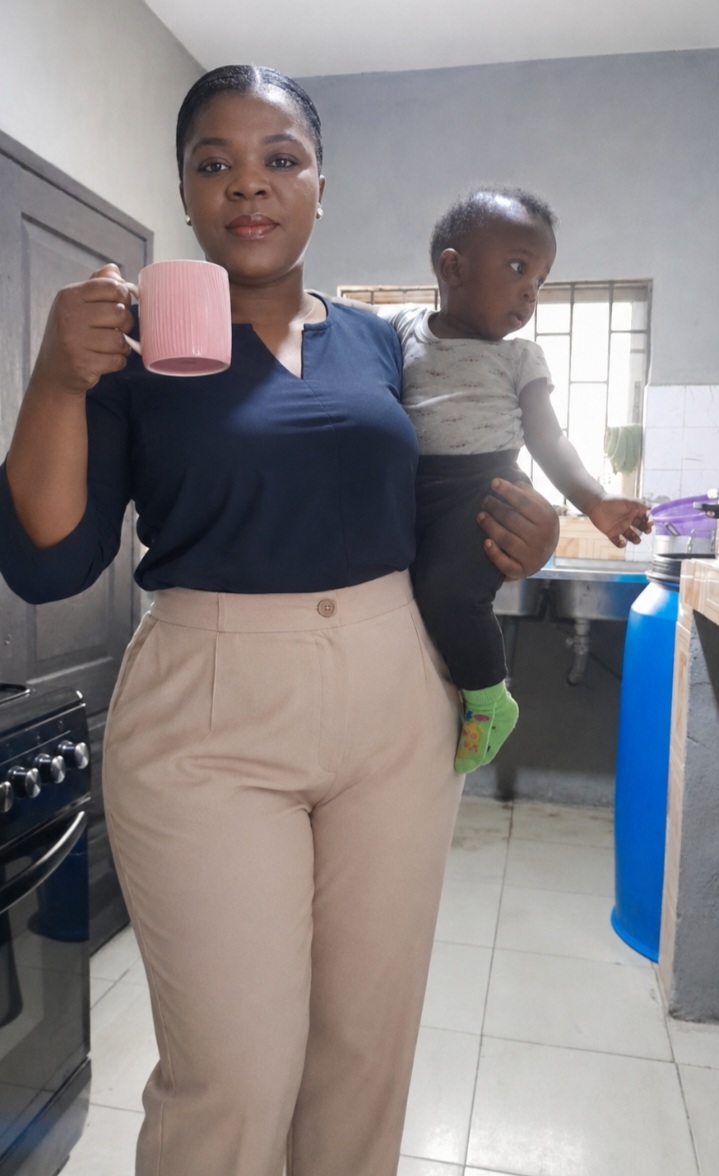
Disclaimer:Iam a parent sharing my personal exeperience.Th econtenton Honeyberry Blog is for informational and should not be taken as professional medical orlegal advice
Simple Ways to Prioritize Yourself as a Mother Without Guilt
A few months ago, my sister packed her bags, boarded a flight, and traveled to South Africa for a mom-only solo vacation. She gave herself full permission to step away from the daily demands of parenting, escape domestic routines, and immerse herself in a completely new environment for a few uninterrupted days. Watching her take that bold step was genuinely inspiring, but it also made me reflect on how hard it can be to prioritize yourself as a mother when fear and guilt get in the way.
While I cheered her on with immense pride, another part of me sitting quietly at home realized a deeper, uncomfortable truth: I could never bring myself to do the exact same thing right now.
The idea of leaving my children behind for a solo getaway sounds wonderful on paper. The thought of uninterrupted sleep, quiet meals, and hours spent without managing logistics or answering endless requests feels like a dream. Yet, the moment I imagine actually booking that ticket, packing a suitcase, and driving to the airport alone, an intense wave of anxiety sets in.
If you are a mother who finds it almost impossible to leave your kids for an overnight trip—or even for a few hours without constant worry—you are not alone. The weight of maternal hyper-vigilance is heavy, and the fears that keep us grounded at home run far deeper than simple scheduling conflicts.
The Unspoken Fears That Keep Mothers Grounded
When I contemplate taking an extended trip by myself, my mind does not picture relaxing on a beach or exploring a new city. Instead, it immediately spirals into a series of worst-case scenarios.
It is not merely a matter of missing my family or feeling a little homesick; it stems from a deeply rooted belief that no one else can safeguard, nurture, and monitor my children with the same vigilance that I do.

1. The Constant Fear of Caregiver Mistreatment or Neglect
Handing over absolute, unmonitored control of your home and children to someone else—even a loving family member or a trusted caregiver—can feel terrifying.
When you are the primary parent, you know every nuance of your children’s temperaments. You know their triggers, their subtle shifts in tone, and how to de-escalate an emotional meltdown before it starts.
When you leave, nagging questions take over:
-
Will the caregiver possess the same patience when my child is tired and crying?
-
Will they notice if my child feels uncomfortable, unsafe, or emotionally overwhelmed?
-
What if they react harshly, yell, or use discipline methods that contradict everything I have built?
The instinct to shield our children from potential emotional or physical discomfort is powerful. The thought of not being physically present to intervene if something goes wrong is often enough to make us cancel plans before they even begin.
2. The Fear of Medical Emergencies and Sudden Sickness
Children have an uncanny ability to pick up viruses, spike sudden fevers, or suffer unexpected accidents at the most inconvenient times.
Every mother knows how quickly a normal afternoon can turn into a frantic medical situation. The thought of my child falling sick, experiencing a high fever, or needing urgent medical care while I am thousands of miles away in another country keeps my feet firmly planted on the ground.
Being far away means being unable to hold them, comfort them, or oversee their medical decisions directly. To many of us, that distance feels like an unnecessary risk.
3. The Fear of Lost Progress and Bad Behaviors
Parenting requires years of continuous effort to instill values, good manners, consistent routines, and healthy habits. It is a slow, daily process of setting boundaries and reinforcement.
When a mother leaves for an extended period, a subtle panic often sets in: Will a week of lax rules erase months of hard work?
We worry that temporary caregivers will allow unlimited screen time, ignore established bedtime routines, or permit behaviors we strictly discourage. The thought of returning home only to face behavioral regression, backtalk, or broken routines makes the temporary escape feel less like a break and more like a delay of future stress.
4. The Fear of Returning to Total Domestic Chaos
Finally, there is the practical, exhaustion-inducing fear of domestic aftermath.
For many mothers, the mental load of leaving requires days of grueling preparation: meal prepping, writing out detailed instruction guides, organizing clothes, and arranging schedules.
Then comes the reality of the return. The thought of coming back from a supposedly restful trip only to step into an inverted house, piled-up laundry, unwashed dishes, and total disorganization almost defeats the purpose of going away. If taking a break results in double the workload upon return, the break itself loses its value.
Read Next: [ How to Deal with Mom Anxiety and Overthinking]
Deconstructing the “Nobody Can Do It Like Me” Mindset
Underneath all these specific worries lies the primary engine of mom guilt: the belief that nobody can care for your children as effectively, safely, or lovingly as you can.
As mothers, we naturally become the operational hub of our children’s lives. We carry an invisible, massive database in our minds at all times:
-
We know exactly how they like their meals prepared.
-
We recognize the specific cry that signals overtiredness versus hunger.
-
We know which blanket comforts them during a thunderstorm.
-
We track school schedules, medical appointments, and emotional shifts effortlessly.
Because we manage these details every day, delegating them can feel impossible. Passing those responsibilities to someone else does not feel like taking a well-deserved rest; it feels like abandoning a vital duty.
Learning to prioritize yourself as a mother isn’t about ignoring your kids; it’s about making sure you have enough emotional capacity to stay present and healthy for your family.
How to Prioritize Yourself as a Parent Without Taking a Solo Trip
Social media often portrays self-care for mothers as elaborate, expensive, or distant: weekend spa retreats, international trips, or long getaways. While those experiences are wonderful for those who can take them without overwhelming distress, they are not the sole metric of self-care.
If taking a solo vacation causes you more emotional distress, anxiety, and guilt than actual relaxation, then it is not fulfilling its purpose. True self-care should restore your energy, not drain your mental reserve through constant worry.
Making room for yourself as a parent does not require an international flight or an expensive hotel reservation. It starts with small, intentional shifts right inside your own home and daily routine.
How I Model Rest Directly in Front of My Kids
Instead of waiting for a rare opportunity to travel alone, I have shifted my focus toward modeling healthy rest behaviors directly in front of my children every day. When you actively prioritize yourself as a parent, you give your children permission to value their own mental health as they grow up.
For a long time, I believed that being a good mother meant hiding my fatigue, pushing through physical exhaustion, and constantly maintaining an image of boundless energy. I eventually realized that strategy was hurting both me and my children.
When we hide our limits, we accidentally teach our children that mothers are superhuman machines who do not require rest, boundaries, or personal space.
Now, I explicitly tell my children when I am running low on energy:
“Mama’s body is tired right now. I am going to sit down and drink my tea quietly for 15 minutes to recharge my energy.”
By verbalizing my human needs clearly and calmly, I am teaching my kids two essential life lessons:
-
Rest is a fundamental human requirement: It is not something you earn only after reaching complete physical collapse; it is a normal part of maintaining health.
-
Personal boundaries are healthy and necessary: Mothers are complete human beings with emotional, mental, and physical limits that deserve respect.
You do not need a plane ticket to demonstrate to your children that your well-being matters. Demonstrating self-respect, enforcing personal boundaries, and taking quiet breaks in your living room provides a healthy blueprint they will carry into their own adulthoods.
Research Insight: According to research published by the American Psychological Association on family stress management, parents who openly practice self-regulation and communicate their emotional boundaries help foster stronger emotional resilience and coping skills in their children.
10 Simple Ways to Prioritize Yourself as a Mother Everyday
If an extended trip away is off the table for you right now, here are ten manageable ways to claim space, recharge your energy, and reduce overwhelm without triggering intense separation anxiety.
1. Master the Art of Micro-Breaks
You do not need hours of free time to reset your nervous system. Small, intentional pockets of time throughout the day can make a significant difference in your stress levels:
-
Spend 10 uninterrupted minutes sitting with your morning drink before checking your phone.
-
Read two chapters of a book while your children play nearby.
-
Step outside alone for five minutes to breathe fresh air and feel the sunlight.
-
Take a shower without rushing through your routine.
2. Establish Clear “Off-Duty” Signals
Children respond well to visual and verbal cues. Create clear, simple signals that indicate when you choose to prioritize yourself as a mother for a brief period:
-
Use a specific mug or set an egg timer for 15 minutes.
-
Inform your children: “While this timer is ticking, Mama is on a quiet break unless there is an actual emergency.”
-
Consistency helps children learn to respect short periods of parental downtime.
3. Lower Your Standards for Domestic Perfection
A messy home can trigger anxiety, but a perfectly pristine house is rarely worth total physical exhaustion.
-
Accept that dishes can safely sit in the sink overnight so you can rest.
-
Recognize that folded laundry sitting in baskets for an extra day is not a parenting failure.
-
Prioritize your internal peace over an immaculate living space.
4. Delegate Specific Tasks to Your Partner or Support System
Instead of asking for general “help,” which still requires you to manage the details, hand over complete ownership of specific daily routines:
-
Assign bedtime routines, bath time, or breakfast duty entirely to your partner or a family member.
-
Step out of the room completely during these times to avoid intervening or micro-managing.
5. Stop Treating Your Needs as an Emergency-Only Priority
Mothers excel at responding immediately to everyone else’s needs. If a child is hungry, hurt, or upset, we react within seconds.
However, when we feel drained, we tell ourselves, “I will deal with myself later.” “Later” often turns into next week or next month.
Start asking yourself once a day: “What do I need right now?” Whether the answer is a glass of water, ten minutes of silence, or a quick walk, honor that request.
6. Protect One Interest That Belongs Solely to You
Maintain an activity, project, or hobby that has nothing to do with your identity as a mother or domestic manager:
-
Dedicate time to writing, reading, crafting, gardening, or a small business.
-
It does not need to generate income or impress anyone; its purpose is to anchor your personal identity outside of motherhood.
7. Practice Saying “No” Without Elaborate Excuses
Over-committing to external requests—school events, extra favors, or social obligations—drains energy that should be reserved for your well-being.
-
Practice polite, direct refusals: “I don’t have the capacity to take that on right now, but thank you for thinking of me.”
-
Protecting your time requires setting clear boundaries with the outside world.
8. Normalize Asking for Local Practical Support
Reaching out for help does not mean you have failed as a mother; it means you recognize human limitations.
-
Arrange a child-swap playdate with a trusted friend where one person watches the kids for two hours, giving the other uninterrupted time.
-
Accept offers of help from family members without feeling obligated to oversee them.
9. Challenge the Intrusive Voice of Guilt
When guilt whispers that you are being selfish for sitting down, resting, or pursuing a personal goal, challenge it directly with a constructive reframe:
“Taking care of my well-being is an essential part of taking care of my family.”
Remind yourself that an exhausted, overwhelmed parent cannot pour from an empty cup indefinitely.
10. Recognize That Motherhood Seasons Continuously Shift
The intense hyper-vigilance you experience today will not remain at this level forever. As your children grow, gain independence, and communicate more clearly, your comfort level with stepping away will naturally evolve.
Do not force yourself into a stage of independence you are not ready for. Respect the season you are in right now while keeping the door open for future flexibility.
For additional guidance on managing family stress dynamics, the CDC Children’s Mental Health Resources provides useful insights into balancing parental well-being with childcare responsibilities.
Making Peace With Your Current Season
If you watch other mothers take solo vacations, travel the world, or step away with ease, give yourself grace today. Your hesitation does not stem from weakness, control issues, or failure; it comes from a place of deep love and protection for your children.
You don’t need an international flight to make a change. Finding small, daily ways to prioritize yourself as a mother will transform your household far more than a temporary getaway ever could.
Start exactly where you are today:
-
Take ten minutes of quiet time this morning.
-
Speak up when you feel exhausted.
-
Leave the dishes in the sink for an extra hour.
-
Remind yourself that you are a complete human being who deserves care, rest, and consideration.
Self-care is not defined by distance or cost. It is defined by the decision to stop disappearing inside your own life.
How do you feel about taking time away from your children? Do you take solo trips, or do you struggle with the same fears and hyper-vigilance? Let’s share our experiences in the comments below!
Related Articles You Might Enjoy
-
[ Internal Article Title – e.g., Positive Discipline Strategies for Strong-Willed Children]
-
[ Internal Article Title – e.g., Simple Ways to Reclaim Your Identity After Having Kids]