Disclaimer:Iam a parent sharing my personal exeperience.Th econtenton Honeyberry Blog is for informational and should not be taken as professional medical orlegal advice
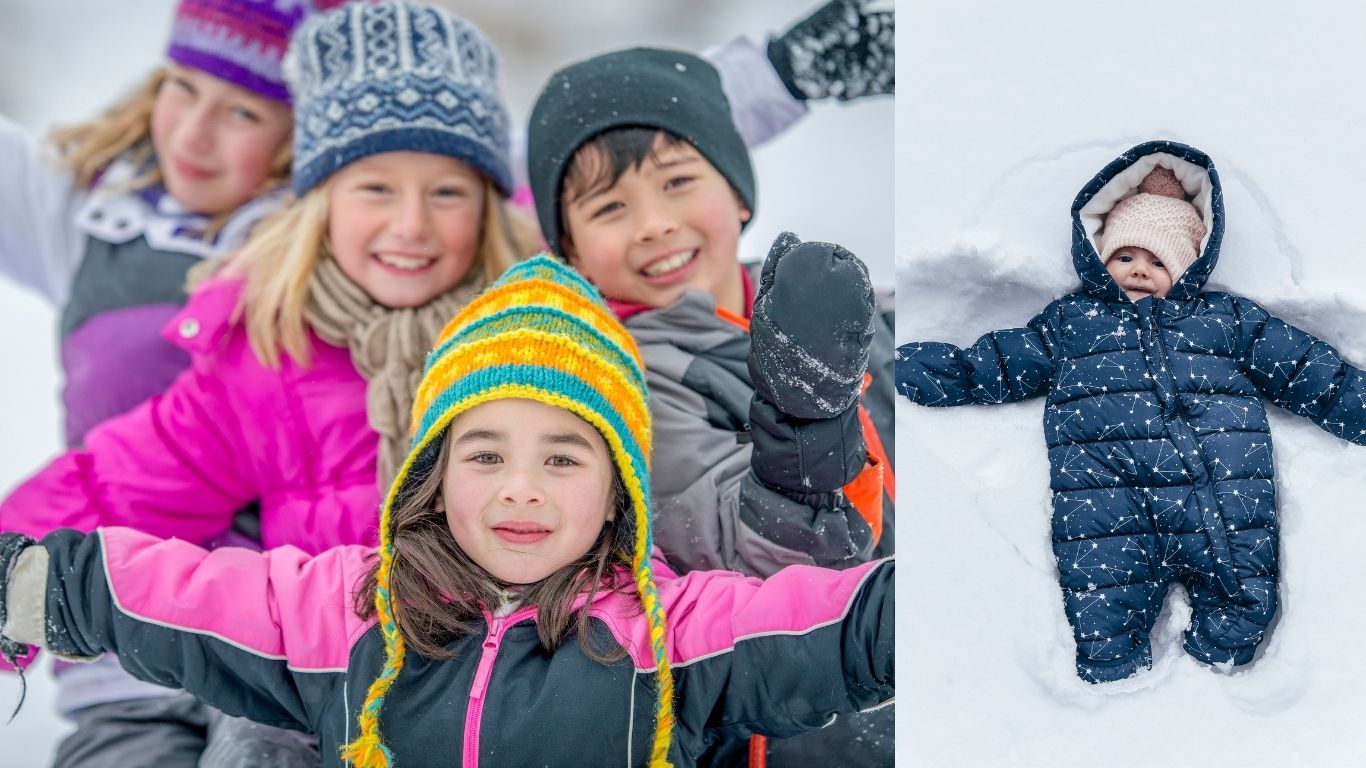
Kids winter layering guide is what every parents are searching, on how to cloth and how to protect your kids without the heavy bulky clothing.
If you have ever dressed your child for a cold winter morning, you probably know the struggle. You put on a long-sleeved top, add a sweater, struggle with a thick coat, and somehow your little one still complains about being cold. Five minutes later, they are running around, sweating and asking you to take everything off!
Honestly, getting children dressed for winter can feel like a full-time job on its own.
But here is something every parent should know: keeping your child warm does not mean dressing them in as many thick clothes as possible.
The secret is understanding kids winter layering and choosing clothes that work together to provide warmth without making your child uncomfortable.
The right combination of lightweight base layers, insulating clothing, and suitable outerwear helps your child stay comfortable during school runs, outdoor play, and family outings.
And no, you do not need to buy an entirely new wardrobe just because the temperature drops.
In this guide, we will look at how to layer children’s clothes, which fabrics are worth buying, what to wear in different weather conditions, and common mistakes to avoid.
You will also find practical tips for building a winter wardrobe that works for your child and your budget.
Kids Winter Layering What it means
Kids winter layering means dressing your child in several functional clothing layers, with each layer serving a specific purpose.
Rather than relying on one extremely thick coat, you combine clothing items that manage moisture, retain heat, and protect against wind, rain, or snow.
This approach is practical because children’s needs change throughout the day. Your child might leave home on a freezing morning, spend hours in a heated classroom, and then head outside to play in the afternoon.
With separate layers, you can easily remove or add clothing as conditions change.
For example, a child might wear a comfortable base top, a fleece jacket, and an insulated winter coat on a cold morning. Once indoors, the coat and fleece come off based on the room temperature.
The goal is to keep your child warm without restricting their movement.
The Three Layers Every Child Needs in Winter
You do not need to overcomplicate winter dressing. Master these three basic layers, then adjust them to suit your local weather and your child’s daily activity level.
1. The Base Layer: Start with Comfortable Clothing
The base layer sits directly against your child’s skin. Its main job is to provide a soft foundation and wick sweat away from the body.
Good options include:
For everyday wear in mild cold, a long-sleeved top and leggings work well. When temperatures drop, dedicated thermal underwear provides extra comfort.
Fabric choice is crucial, especially when kids are active outdoors. Damp clothing quickly makes children feel chilled. Cotton works well for relaxed indoor wear, but moisture-managing synthetics or wool perform better during active outdoor play.
Always choose base layers that fit comfortably without irritating their skin or restricting their movement
Honeyberry Tip: Before buying new thermal sets, check your child’s current wardrobe! You may already have fitted long-sleeved tops and leggings that work perfectly for mild winter days. For guide on kid’s winter wardrobe checklist check honeyberry’s
2. The Middle Layer: Add Warmth Without the Bulk
The middle layer traps body heat to keep your child warm. This is where you retain warmth without piling on heavy, stiff sweaters.
Great choices include:
-
Lightweight fleece jackets
-
Fine-knit sweaters
-
Wool or wool-blend jumpers
-
Insulating vests
-
Lightweight insulated jackets
Fleece is particularly useful because it can provide warmth without the weight of a chunky knitted sweater.
Imagine dressing your child in a comfortable base layer and fleece jacket before adding a suitable winter coat. You have created a practical combination without making the outfit unnecessarily bulky.
Of course, the right combination depends on the temperature. A fleece may be sufficient as an outer layer on a cool day, but it will not necessarily protect against freezing temperatures, strong winds or wet snow.
Pay attention to fit, too. If your child’s sweater bunches up beneath the coat or makes the sleeves difficult to move, try a lighter or better-fitting alternative.
3. The Outer Layer: Protect Against the Weather
The outer layer protects your child from cold wind, rain, and snow.
Depending on your local conditions, this layer can be a wind-resistant jacket, a waterproof raincoat, or an insulated winter coat.
-
Short outings / mild cold: A lighter jacket or shell is usually enough.
-
Freezing temperatures / extended play: An insulated coat with strong wind and water protection is necessary.
-
Snow play: Fully waterproof outerwear and snow boots are essential.
Look for adjustable cuffs, sturdy zippers, and a roomier fit that allows comfortable movement over inner layers.
How to Keep Kids Warm Without Bulky Clothes
Creating practical, comfortable, and stylish winter outfits comes down to a few smart dressing strategies.
Choose Fewer, High-Performance Layers
Adding more clothing layers does not automatically mean more warmth.
A high-quality thermal top, a fleece jacket, and a protective outer shell insulate much better than three heavy cotton sweaters stacked together.
Invest in Lightweight Thermal Clothing
Thermal tops and leggings hug the body closely, adding maximum warmth with virtually zero bulk. They are especially useful for children who walk to school or spend extended time playing outside.
Make Fleece Your Go-To Middle Layer
Fleece is versatile, durable, and easy to wash. Your child can wear a fleece jacket over a t-shirt on a cool autumn day, or layer it under a heavy winter coat when temperatures drop. Neutral colors make it easy to mix and match across different outfits.
Focus on Proper Fit
Winter clothes should let children run, climb, bend, and play freely.
When shopping for winter coats, test them while your child is wearing a sweater or fleece. A coat that fits tightly over a thin t-shirt will restrict movement once warmer layers go underneath.
Use Accessories Wisely
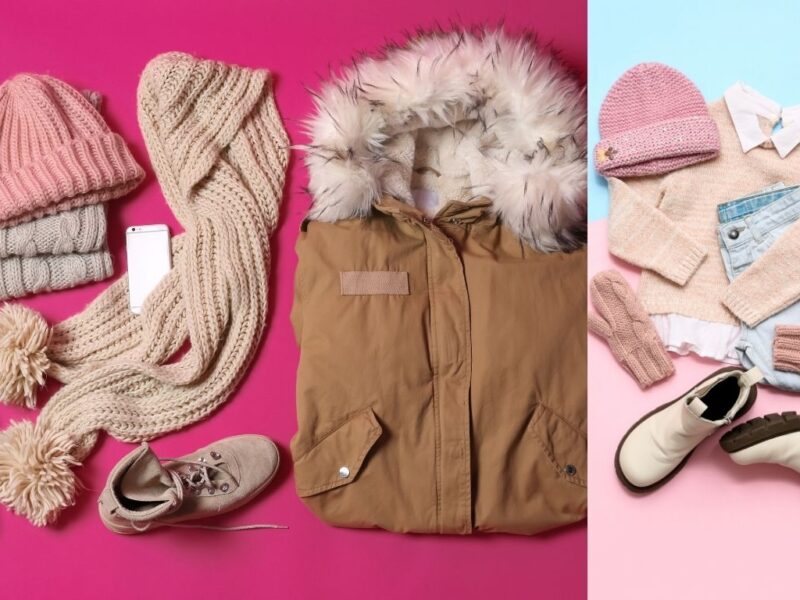
Cold extremities make the whole body feel cold. Protect exposed areas with:
Note: Mittens are much easier for toddlers and younger children to put on independently than individual-finger gloves.
What Should Kids Wear in Different Winter Temperatures?
Use these flexible combinations as general guidelines for daily dressing:
Cool Weather (Mild Chilly Days)
-
Comfortable long-sleeved top
-
Trousers or thick leggings
-
Lightweight sweater or fleece
-
Light jacket
-
Closed-toe shoes or sneakers
Cold Winter Weather
-
Fitted base layer or lightweight thermal top
-
Warm trousers or fleece-lined leggings
-
Fleece jacket or warm jumper
-
Insulated winter coat
-
Warm socks, boots, hat, and mittens
Freezing Temperatures and Snow
-
Thermal base layer set (top and bottoms)
-
Insulating fleece or wool mid-layer
-
Waterproof, insulated winter coat
-
Snow pants or waterproof trousers
-
Waterproof insulated snow boots
-
Warm winter hat and waterproof mittens
How to Choose the Best Fabrics for Kids Winter Clothes
| Fabric |
Best Used For |
What Parents Should Know |
| Merino Wool |
Base layers & sweaters |
Excellent natural insulation; soft, breathable, and naturally moisture-wicking. |
| Synthetic Thermals |
Base layers |
Quick-drying and durable; ideal for active children who sweat during play. |
| Fleece |
Middle layers |
Lightweight and highly insulating; retains warmth without adding physical weight. |
| Wool Blends |
Sweaters & jumpers |
Very warm; test against your child’s skin first to ensure it isn’t itchy. |
| Down / Synthetic Insulation |
Winter coats |
Essential for freezing conditions; synthetic insulation performs better if wet. |
| Waterproof Technical Fabrics |
Outerwear / Coats |
Provides crucial protection against rain, sleet, and wet snow. |
| Cotton |
Everyday indoor wear |
Soft and comfortable indoors, but traps moisture—avoid as an active outdoor base layer. |
Winter Layering Tips by Age Group
Babies
Babies cannot regulate their temperature effectively or tell you when they are uncomfortable. Check their warmth by touching their back or chest rather than their hands or feet, which naturally feel cooler.
Crucial Car Seat Safety Tip: Never buckle a baby or child into a car seat while they are wearing a bulky winter coat or snowsuit.
In a collision, coat padding compresses instantly under the harness, leaving the straps dangerously loose. Instead, dress your child in thin, warm layers, secure the harness snug against their body, and place a coat or blanket over the top of the buckled harness.
-
- The Fix: Strap your toddler into their car seat wearing only their base layer and mid layer (like a fitted fleece jacket). Once they are buckled tightly, backward-surface their winter coat over their arms or drape a warm blanket over the harness.
Toddlers
Toddlers love moving around and trying to dress themselves. Choose simple garments like pull-on elastic trousers, soft fleece jackets, and easy-zip coats that encourage independence. Avoid overly stiff or scratchy materials that cause outfit battles.
🧷 The Potty Training & Diaper Dilemma
A one-piece snowsuit looks adorable, but it is a nightmare when your toddler suddenly screams that they need the bathroom.
-
- The Fix: opt for a two-piece jacket and snow-pants set rather than a one-piece suit. Look for mid-layers with zippers instead of buttons for lightning-fast removal.
Layering for Older Children (Ages 4+): High Energy & School Days High Energy & School Days
Older kids are highly active, meaning they generate a lot of body heat and sweat. They also have to manage their winter gear independently at school during recess.
🏃♂️ Managing the “Sweat Chill”
Because older kids run fast and play hard, they easily overheat. When they stop moving, that trapped sweat freezes.
- The Fix: Ensure their outer shell has breathable ventilation. Teach them the concept of “delayering”—if they feel hot while running around, they should unzip their mid-layer before they start sweating heavily.
School Day Independence
At school, teachers don’t have time to zip up twenty heavy jackets. Your child needs to be able to dress themselves quickly for recess.
- The Fix: Avoid complicated drawstrings, tiny buttons, or gloves that are impossible to put on. opt for Velcro closures, chunky zippers, and 4-way stretch base layers that slip on easily.
Teach older kids how to manage their layers independently. Show them how to unzip their fleece when running around at recess or take off their outer coat when stepping into a warm classroom. Label all jackets, hats, and mittens to prevent lost items at school!
Common Kids Winter Layering Mistakes to Avoid
-
Relying on One Heavy Coat: A single thick coat gives you zero flexibility when temperatures fluctuate indoors and outdoors.
-
Ignoring Damp Clothing: Wet socks or sweaty base layers make kids cold fast. Pack extra socks in school bags on rainy or snowy days.
-
Dressing Only for Outdoor Temps: Kids spend hours inside heated classrooms. Removable middle layers prevent overheating indoors.
-
Leaving Bulky Coats On in Car Seats: Always remove bulky outerwear before tightening car seat harnesses.
-
Overbuying Winter Gear: Kids grow fast. Focus on a few high-quality, versatile layers that mix and match easily.
A Simple Kids Winter Layering Checklist
Before heading out the door, run through this quick checklist:
-
Checked today’s weather forecast (temperature, wind, and rain/snow).
-
Put on a soft, comfortable base layer.
-
Added a lightweight insulating middle layer (fleece or sweater).
-
Selected weather-appropriate outerwear.
-
Packed hat, mittens/gloves, and proper footwear.
-
Ensured your child can bend, sit, and move comfortably.
-
Verified that layers can be removed easily indoors.
-
Removed bulky coats before securing car seat harnesses.
Frequently Asked Questions
How many layers should a child wear in winter?
A practical rule of thumb is three layers: a fitted base layer, a warm middle layer, and a protective outer layer. You can remove the middle layer on milder days or add thermal insulation in extreme cold.
How do I keep my child warm without bulky clothes?
Combine thin, effective materials. Use lightweight thermal base tops, a fitted fleece jacket, and a wind-and-water-resistant outer coat rather than multiple thick, heavy sweaters.
Is fleece warm enough for winter?
Fleece is an exceptional middle layer that traps body heat. However, because fleece is porous, it requires a windproof or waterproof outer jacket during heavy winds, rain, or freezing conditions.
Should children wear thermal underwear every day in winter?
Not necessarily. Thermals are best for freezing days or extended outdoor activities. On average winter days, standard long-sleeved tops and trousers under a coat provide plenty of warmth.
How can I tell if my child is getting too cold?
Watch for shivering, sudden tiredness, fussiness, or pale/cold skin on their trunk. If your child complains of numbness or persistent discomfort, bring them indoors immediately to warm up with dry clothing and warm drinks.
Winter layering Guide the Final Thoughts
Dressing kids for cold weather does not require a closet full of bulky, restrictive coats.
By mastering the simple system of a comfortable base layer, a warm fleece middle layer, and a protective outer jacket, you can keep your children warm, comfortable, and free to play all winter long.
Focus on practical fabrics, pay attention to car seat safety, and keep things simple. Here is to warmer winter mornings and stress-free school runs!