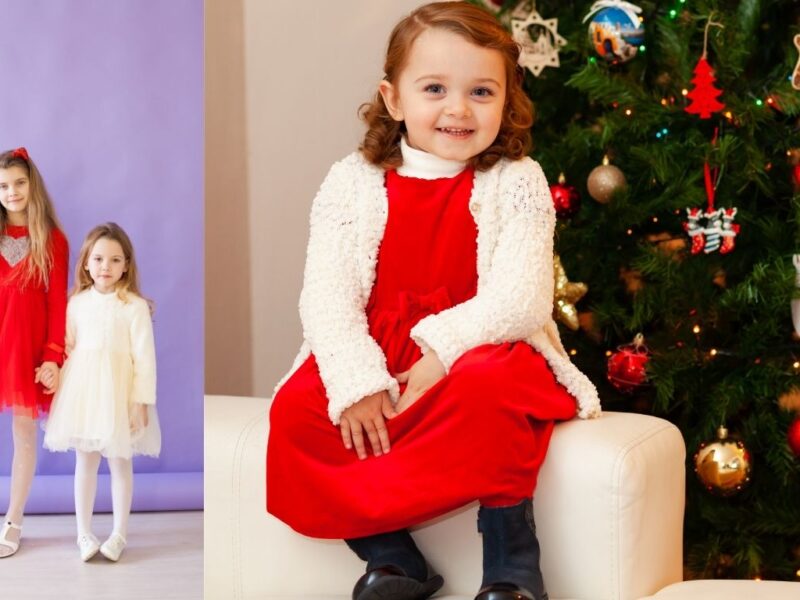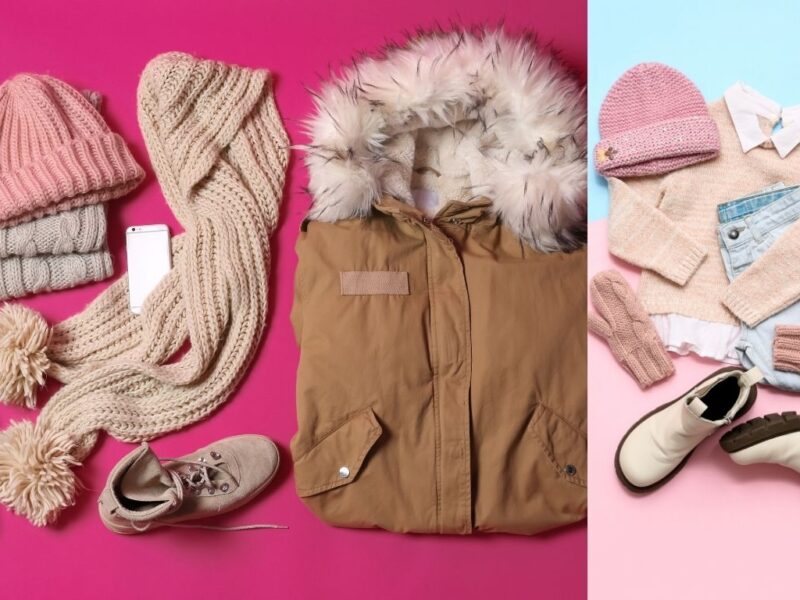
To Coordinate Sibling Holiday Outfits without matching uniforms whether in Christmas, thanksgiving and any festive seasons and holidays can be hard for moms who especially like to dress their children with matching outfits. In this guide you will learn the best mom guide in how to dress your little ones in different holiday outfits with out marching them.
Every year around late October, that familiar holiday frenzy starts creeping in. You look at the calendar and realize end-of-year family photos, school pageants, Christmas celebrations, and family dinners are just around the corner. Suddenly, one question comes to mind: What on earth are the kids going to wear? And to some moms their question is how do I Coordinate Sibling Holiday Outfits without matching uniforms.
If you’ve ever spent hours scrolling through children’s clothing websites trying to find the exact same dress in sizes 2T, 4T, and 6, you know how frustrating it can be. One size is out of stock, or the matching set costs more than you planned to spend.
And let’s be honest: as cute as matching family outfits look in theory, dressing every child in exactly the same thing doesn’t always work in real life.
Your six-year-old might refuse to wear a stiff dress, while your toddler pulls at anything with a tight collar. Meanwhile, your older child may want to look a little more grown-up instead of dressing like a smaller sibling. This is where Coordinate Sibling Holiday Outfits without matching uniforms, comes to play a very crucial role.
Then there’s the one-time-wear problem. You spend money on special outfits, the children wear them for a few hours, and before you know it, somebody has stained a shirt with jollof rice or chocolate.
The good news? You don’t need identical outfits to create beautiful, coordinated holiday photos.
The secret is to coordinate rather than match. With a few thoughtful color choices, comfortable clothing, and pieces your children can wear again, you can create a festive look that feels intentional without stretching your budget.
Here’s how to coordinate sibling holiday outfits while allowing each child’s personality to shine.
1. Choose a Color Palette Instead of an Exact Uniform
The easiest way to coordinate sibling holiday outfits is to start with colors rather than individual clothing items.
Think of the outfits as parts of the same picture. Although the clothes don’t have to be identical, their colors should work together when your children stand side by side.
To keep things simple, choose two main colors and one neutral shade. This gives you enough variety without making shopping complicated.
Three Easy Holiday Color Combinations
The Classic Christmas Palette
- Burgundy or deep wine
- Forest green
- Cream
This combination feels traditional and festive without requiring every child to wear red and green from head to toe.
The Cozy Winter Palette
- Navy blue
- Mustard or muted gold
- Oatmeal or warm beige
For family portraits, knitwear, sweaters, and smart casual outfits, these colors offer a softer seasonal look.
The Festive Neutral Palette
- Rust or caramel
- Emerald green
- Beige or dark denim
Alternatively, choose this combination if you prefer a more understated look than bright Christmas colors.
How to Spread the Colors Across Your Children
Imagine you’ve chosen burgundy, forest green, and cream. You could distribute the colors like this:
- Child 1: A burgundy dress with cream tights or socks.
- Child 2: A forest-green sweater with dark trousers.
- Child 3 or toddler: A cream knit romper with a burgundy bow or small green detail.
Notice that none of the children needs to wear the same outfit. Instead, the shared colors bring everything together.
Honeyberry tip: Lay all the outfits on a bed before the big day. If the pieces look harmonious together, you’re on the right track. Better still, take a quick phone photo of the clothes to spot any color that looks out of place, or go to Pinterest to look out for cute color combination.

2. Let One Pattern Be the Star
Love Christmas plaid, floral prints, stripes, or classic checks? You don’t have to give them up just because your children are wearing different outfits.
The trick is to let one patterned piece guide the rest of the look.
For example, imagine your daughter has a lovely plaid dress featuring navy, dark red, and a little forest green. You can use those colors to style her siblings without buying matching dresses.
- Child 1: The plaid dress.
- Child 2: A solid navy sweater over a collared shirt.
- Child 3: A forest-green cardigan with neutral trousers.
As a result, the plaid dress becomes the anchor, while the other outfits pick up colors from its pattern.
This approach is particularly helpful when you already own a special holiday dress and want to build the other outfits around it.
What if two children love patterns? You can still use both, but look for prints with a shared color and different scales. For instance, a larger plaid can sit comfortably beside a smaller, subtler check. If you’re unsure, keep the remaining pieces simple.
Ultimately, the aim isn’t to create a strict fashion rule. It’s to avoid having every outfit compete for attention in the same photograph.
3. Mix Textures for a More Interesting Look
When you’re working with a limited color palette, different textures can make the outfits feel more considered.
Fortunately, you don’t need expensive designer clothing. A few contrasting fabrics can add interest to ordinary pieces you already have.
Here are some easy options to try:
- Velvet: A velvet bow, skirt, dress, or vest adds a dressier touch.
- Corduroy: Corduroy trousers and pinafores offer texture and work well for smart casual outfits.
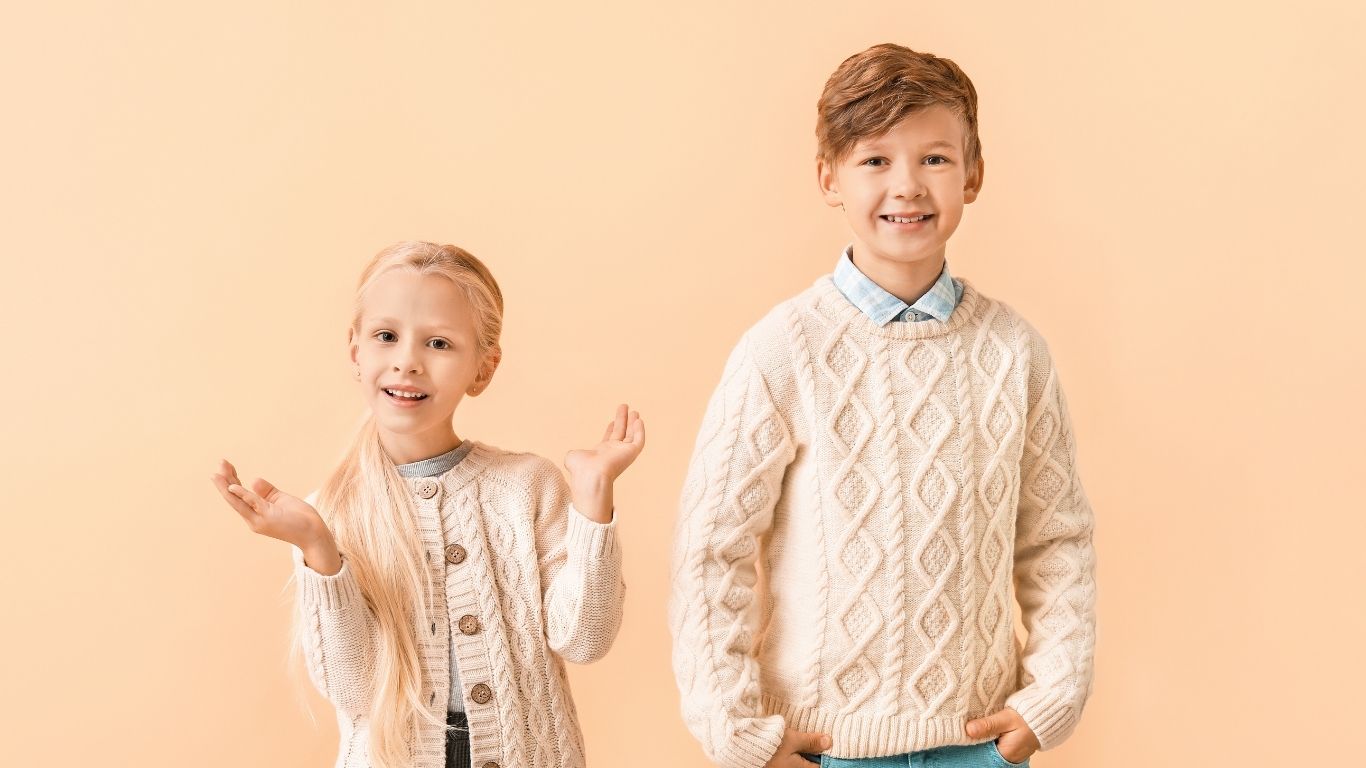
- Knitwear: Cardigans, cable-knit sweaters, and soft jumpers create a cozy seasonal look.
- Cotton shirts: A simple cotton shirt can balance a textured skirt, pinafore, or pair of trousers.
- Denim: Dark jeans can make a festive top feel relaxed enough for family gatherings.
For example, one child might wear a forest-green knitted sweater with dark trousers, while another wears a burgundy velvet skirt with a cream top.
The colors connect the outfits, and the different fabrics keep them from looking like copies of one another.
However, remember to consider the weather and the occasion. Heavy knits may be useful for cold outdoor photos, whereas lightweight cotton layers may be more comfortable in a warm indoor setting.
4. Let Your Children’s Personalities and Comfort Come First
Here’s something worth remembering when planning holiday outfits: a beautiful outfit isn’t much help if your child refuses to wear it.
A child who dislikes itchy fabric, tight collars, scratchy labels, or restrictive waistbands may become uncomfortable long before the family photo is taken. Consequently, forcing every child into an identical style can create unnecessary stress.
Try the Guided-Choice Approach
Instead of choosing every detail for your children, offer two options that fit your color palette.
For example:
- “Would you rather wear the navy trousers or the dark jeans with your green sweater?”
- “Would you prefer the cream cardigan or the burgundy one?”
- “Would you like the velvet bow or the simple headband?”
You still guide the overall look, but your child gets some say in what they wear.
For children who have sensory sensitivities, prioritize fabrics and clothing styles they already tolerate well. Also, check for irritating seams, uncomfortable waistbands, and tags that may bother them.
For toddlers and babies, pay particular attention to fit, ease of movement, and temperature. Avoid loose accessories or small detachable decorations that could pose a choking risk. For outerwear, the U.S. Consumer Product Safety Commission also provides guidance about potentially hazardous drawstrings in children’s clothing: read its children’s clothing safety guidance.
Finally, if one child insists on wearing their favorite comfortable trousers instead of the dressy option you selected, see whether you can work them into the palette. Sometimes a small adjustment is easier than turning getting dressed into a battle.
5. Use Shoes and Accessories to Tie Everything Together
You don’t need a brand-new wardrobe to make your children’s holiday outfits look complete.
Sometimes, the clothes are already in your wardrobe. They simply need a little styling.
Start by checking what each child owns. Clean dark jeans, a plain shirt, a cardigan, or a simple dress can often become part of a festive outfit with a few thoughtful additions.
Easy Accessories That Make a Difference
Hair accessories: Choose bows, clips, headbands, or other comfortable hair accessories in one of your palette colors. You can check our guide on Easy Holiday Hairstyles for Kids: 10 Quick, Photo-Ready Ideas forholiday hair styles.
Socks and tights: Cream socks, dark tights, or complementary jewel-toned details can help connect outfits without making them identical.
Shoes: Clean loafers, dark dress shoes, simple Mary Janes, or other neat footwear can suit a coordinated look. The styles don’t need to match exactly.
Cardigans and sweaters: These are useful for adding a shared color and can be removed if the children get too warm.
The key is restraint. If one child is wearing a patterned dress and a large hair bow, the other children don’t necessarily need equally elaborate accessories.
Instead, choose details that complement the outfits rather than compete with them.
6. Plan Budget-Friendly Outfits Before Buying Anything New
Coordinating outfits can save money, but only if you resist the temptation to buy an entirely new wardrobe for the occasion.
Before shopping, take a few minutes to check what your children already own. Look for neutral trousers, plain tops, cardigans, dresses, knitwear, and shoes that can work with your chosen palette.
Then, make a short list of the pieces you genuinely need.
For example, if one child already owns a burgundy dress and another has dark trousers, you may only need a cream shirt and a green cardigan to complete the look.
A Simple Budget-Friendly Outfit Plan
- Shop your wardrobes first. Pull out clothes that fit the occasion and are comfortable enough to wear for several hours.
- Choose your color palette. Pick colors based on the pieces you already own, rather than buying clothes first and trying to coordinate them afterward.
- Reuse versatile basics. Plain shirts, dark jeans, cardigans, and neutral shoes can work for birthdays, family dinners, church, and other occasions.
- Buy only the missing pieces. A single accessory or top may be enough to bring the outfits together.
- Consider the next wear. Before buying a special outfit, ask yourself whether your child could wear it again with everyday clothes.
You don’t need to spend equally on every child, either. One child might already have the main outfit, while another needs a new top. What matters is how the complete outfits work together, not how much each one costs.
7. Choose Outfits That Suit Your Holiday Plans
Not every holiday occasion calls for the same level of dressing up.
An outfit that works beautifully for a formal family portrait might feel uncomfortable at a long family gathering where the children will be playing, eating, and moving around. Therefore, think about where the children will wear the outfits before deciding what to buy.
| Occasion | An easy coordination idea |
| Family holiday photos | Burgundy, forest green, and cream, with one patterned outfit |
| Christmas dinner | Smart tops, dark trousers, dresses, and coordinated accessories |
| School holiday celebration | Comfortable festive tops with dark jeans or skirts |
| Outdoor winter photos | Layered knitwear, warm coats, and complementary scarves |
| Warm-weather family gathering | Lightweight cotton clothing in cream, green, rust, or navy |
Adapt these ideas to your local weather. If you’re celebrating Christmas somewhere warm, you may prefer breathable cotton dresses, lightweight shirts, and comfortable shoes instead of heavy winter knits.
In the end, the goal is to make the children look coordinated while dressing appropriately for the conditions and the occasion.
8. Use This Easy Three-Child Outfit Formula
If you’re still unsure how to put everything together, start with this simple formula.
Child 1 — The Anchor
Choose the outfit with the most visual interest. This could be a plaid dress, a patterned shirt, a textured pinafore, or a velvet skirt.
Child 2 — The Complement
Choose a solid-colored top that picks up one shade from the anchor outfit. Add neutral trousers, a skirt, or another simple bottom.
Child 3 — The Neutral
Use a cream, oatmeal, navy, or beige outfit, then add a small accessory in one of the main palette colors.
Example: Burgundy, Green, and Cream
- Child 1: Burgundy-and-green plaid dress.
- Child 2: Forest-green sweater with dark trousers.
- Child 3: Cream knit set with a burgundy detail.
Have only two children? Use the anchor and complement combination. On the other hand, if you have four, repeat one of the palette colors in a different outfit style.
You can also reverse the formula. For instance, if your son has the patterned shirt, your daughter can wear the coordinating solid-colored dress. The method works with different ages, styles, and clothing preferences.
9. Do a Quick Outfit Check Before Photo Day
The easiest way to avoid last-minute stress is to put the outfits together before the event.
You don’t need a complicated planning session. Instead, allow enough time to check a few details:
- Check the colors together. Lay out the complete outfits and take a quick phone photo.
- Try everything on. Make sure each piece fits comfortably and allows your child to move freely.
- Check the shoes. Confirm that they fit properly and won’t cause discomfort during the event.
- Consider the background. If the family photo will be taken against greenery, for example, balance green outfits with cream, burgundy, or another complementary color.
- Keep a backup handy. If a child spills food on their top, having a clean alternative in a similar color can save the day.
Most importantly, don’t wait until everyone is standing in front of the photographer to discover that a child hates their outfit.
With a little preparation, you’ll have more time to enjoy the occasion instead of worrying about clothing.
Frequently Asked Questions
1. What is the difference between matching and coordinating sibling outfits?
Matching means children wear identical or nearly identical clothing. Coordinating, however, means their outfits share complementary colors, patterns, or styling details while allowing each child to wear something different.
Therefore, coordinating is a useful option if you want cohesive family photos without buying identical sets.
2. What colors look best for sibling Christmas outfits?
Burgundy, forest green, cream, navy, rust, and gold accents are useful starting points. Choose two main colors and one neutral shade, then distribute them across the children’s outfits.
The best combination also depends on the setting, your children’s existing clothes, and your personal style.
3. How can I coordinate sibling holiday outfits on a budget?
Start with clothes your children already own. Then, select a palette around those pieces, reuse versatile basics, and purchase only what is missing. Simple accessories can help connect the outfits without requiring a complete new wardrobe.
4. How do I coordinate outfits for siblings of different ages?
Choose a shared color palette rather than the same clothing style. For example, a toddler might wear a comfortable romper, an older child might wear trousers and a sweater, and another sibling might wear a dress. The shared colors create the connection.
5. Do siblings need to wear the same colors for family photos?
No. Although complementary shades can help create a cohesive look, siblings don’t need identical colors. You can also use a shared accessory, a recurring neutral, or a color taken from one patterned outfit to connect the overall look.
6. How early should I plan my children’s holiday outfits?
Start when you know which events and photos are coming up. Planning ahead gives you time to check what fits, coordinate existing clothes, and replace missing items without rushing. Even a simple wardrobe check can help.
Final Thoughts: Focus on the Memories, Not Perfection
At the end of the day, family photos and holiday gatherings are about capturing the love, warmth, and little moments that make the season special.
Years from now, you probably won’t look at those photographs and worry about whether every child’s socks matched the exact shade of red. Instead, you’ll remember their smiles, their little hands, the funny moments, and the personalities that made each child unique.
So take a deep breath, step away from the overpriced matching sets, and look at what you already have.
Choose a few colors you love, build outfits around comfortable pieces, and let each child bring their own personality to the look.
You can have beautiful, coordinated holiday photos without dressing your children like identical twins.
How do you usually style your children for the holidays? Do you prefer matching outfits or coordinating colors and different styles? Share your favorite approach in the comments below!