Many moms think buying every winter essentials advertised is a good buy. Kids‘ Winter Wardrobe Checklist: What to Buy vs. Skip is a written to help such moms to navigate and check and tick their kids’ winter essentials.
Let’s be honest for a second: winter shopping for kids can feel like a total money trap if you aren’t careful. Every year, retail stores flood us with adorable miniature holiday outfits, fleece-lined everything, and shiny little boots that look like they belong in a winter wonderland commercial.
Then comes the reality.
Your four-year-old throws a total tantrum because the velvet dress is “scratchy,” the heavy knitted sweater gets ruined after one spill of hot chocolate, and those expensive winter boots take twenty minutes to fasten every single morning while you’re trying to get out the door for school.
And somehow, after spending more than you planned, your child still has nothing to wear on the one morning when the temperature drops unexpectedly.
If you are trying to simplify your life, save money, and avoid a closet full of unworn clothes, you need a plan. Here is your ultimate kids’ winter wardrobe checklist broken down by what is actually essential, what features to look out for, what you can safely skip, and how to build a wardrobe that works for your child’s everyday life.
Whether you’re preparing a toddler for daycare, getting a preschooler ready for outdoor play, or helping an elementary school child dress for cold school mornings, the goal is the same: keep your child comfortable without buying every winter item you see advertised.
The Essential Kids’ Winter Clothing Checklist
When building a winter wardrobe for toddlers to young kids, the goal isn’t having more clothes, it’s having the right pieces that can be mixed, matched, and layered easily.
Before you shop, take a quick inventory of your child’s existing clothes. Check what still fits, what needs repairing, what can be passed down, and what is genuinely missing.
The quantities below are practical starting points, not strict rules. Your child’s needs will depend on the weather where you live, how often you do laundry, whether they attend daycare, and how much time they spend outdoors.
1. The Base Layer (3–4 Sets)
The base layer is what sits directly against your child’s skin. If this layer isn’t soft, breathable, and comfortable, everything on top may become irritating.
- What you need: Soft long-sleeve tops, comfortable leggings, or thermal base layers suited to your local temperatures.
- Why it matters: Base layers provide a comfortable first layer and can help manage moisture during outdoor activities.
- What to look for: Smooth seams, comfortable waistbands, a suitable fit, and fabric your child doesn’t constantly tug at or complain about.
For mild winter days, an ordinary long-sleeve shirt and leggings may be enough underneath a sweater and coat. In colder regions, particularly when children spend extended periods outdoors, specialized thermal layers may be more useful.
Cotton can be comfortable for everyday indoor wear, but it absorbs moisture and can become uncomfortable when wet during cold weather activities. Moisture-wicking synthetic fabrics or suitable wool layers can be better options for active outdoor play.
What to skip: Buying several expensive thermal sets before you know whether your child needs them. If your child mostly moves between a heated home, a car, and an indoor classroom, you may need fewer specialized layers than you think.
2. Everyday Tops and Sweaters (4–5 Tops)
Your child’s everyday tops will probably get more use than the special winter outfits you see in store displays.
- What you need: Crewneck sweatshirts, soft fleece pullovers, comfortable long-sleeve shirts, and a cardigan or zip-up layer if useful.
- Why it matters: These pieces can be worn with different bottoms, layered under coats, and washed regularly without creating too much extra work.
Look for clothing that feels comfortable against the skin and is easy to wash. A sweatshirt your child wears happily every week is usually a better purchase than an expensive sweater they refuse to touch because it feels itchy.
Choose a few colors that work together. Navy, gray, cream, burgundy, and other versatile shades can make outfit planning easier, while a bright or patterned top gives the wardrobe some personality.
What to skip: Too many novelty sweaters, delicate knits that need special care, and tops that only match one pair of trousers.
3. Comfortable Pants and Bottoms (4–5 Pairs)
Children need bottoms that allow them to move, sit on the floor, climb playground equipment, and manage bathroom breaks without constant assistance.
- What you need: Stretchy joggers, comfortable everyday trousers, jeans if your child likes them, and fleece-lined leggings when extra warmth is useful.
- Why it matters: Comfortable bottoms make school mornings and active play easier.
For toddlers and preschoolers, elastic waistbands and easy fastenings are especially helpful. Older children may prefer jeans or more structured trousers, provided they fit comfortably and allow movement.
If your child regularly plays in snow, consider waterproof snow pants or insulated trousers for outdoor use. These serve a different purpose from everyday fleece-lined leggings.
What to skip: Stiff denim that restricts movement, complicated fastenings your child cannot manage, and multiple pairs of similar trousers when you still need essential winter gear.
4. Heavy Outerwear (1–2 Main Coats)
A suitable winter coat is one of the most important purchases on your list.
- What you need: A properly fitted, insulated coat suited to your local winter conditions. A waterproof shell or second outer layer may be useful if your child regularly encounters rain, wet snow, or changing temperatures.
- Why it matters: The right outerwear helps protect your child from cold, wind, and moisture during school commutes and outdoor activities.
A warm puffer can be useful in cold, dry weather. In wet conditions, a waterproof shell layered over a warm insulating jacket may offer more flexibility.
Before buying, check the coat’s insulation, closures, hood, cuffs, care instructions, and fit. Your child should be able to move their arms comfortably without the coat dragging or becoming excessively loose.
What to skip: Buying an extremely bulky coat simply because it looks warm, or purchasing multiple coats with identical purposes before checking what you already own.
One main coat may be enough for many families. A second coat or outer layer is worth considering if your child regularly gets the first one wet or spends long periods outdoors.
Important car-seat note: Bulky winter coats should not be worn underneath a car-seat harness. Their padding can compress in a crash, leaving the harness too loose. Use thin, snug layers beneath the harness and add a blanket or coat over the secured straps for warmth, following the car-seat manufacturer’s instructions.
5. Play-Proof Boots (1 Suitable Pair)
Winter footwear should match the conditions your child will actually encounter.
- What you need: Comfortable, weather-appropriate boots with suitable traction, insulation, and water protection.
- Why it matters: Cold, wet feet can make outdoor play miserable, while poorly fitting boots can make walking uncomfortable.
Look for rubber or other suitable grippy soles, secure closures, and enough room for the socks your child will wear. If your child regularly walks through snow and slush, properly waterproof and insulated boots may be necessary.
Velcro straps, suitable zippers, and easy-to-use toggles can help children develop dressing independence. However, convenience should never replace a good fit.
What to skip: Fashion boots that soak through easily, smooth soles unsuitable for icy conditions, and expensive snow boots if your local climate rarely requires them.
Try boots on with winter socks and check that your child’s toes have room to move. A boot that is too tight may leave insufficient room for warmth, while one that is excessively loose can make walking difficult.
6. Socks, Underwear, and Pajamas
These essentials are easy to overlook when your attention is on coats and boots.
- What you need: Enough socks, underwear, and pajamas to suit your laundry routine, plus warmer socks for outdoor activities when needed.
- Why it matters: Children need clean, dry clothing, especially when they attend school or daycare and cannot easily change at home.
Five to seven pairs of everyday socks can be a useful starting point for a child who follows a school-week routine. You may need more if your child frequently gets their socks wet or you do laundry less often.
Choose socks that fit comfortably inside your child’s shoes and boots. Thick socks are not helpful if they make footwear too tight.
For pajamas, consider the temperature of your home and your child’s comfort. More layers are not automatically better, particularly for babies and young children who may overheat.
What to skip: Buying thick socks that make properly fitted boots uncomfortable or specialized sleepwear that your child doesn’t need for their indoor sleeping conditions.
How Many Winter Clothes Does a Child Actually Need?
Parents often wonder whether they have bought enough or are simply buying too much. The answer depends on your household routine.
A child who attends daycare and regularly comes home with paint, food, or playground stains may need more changes of clothing than a child who spends most of the day at home.
Use this table as a starting point.
| Clothing item | Suggested starting quantity |
| Every day long-sleeve tops | 4–5 |
| Sweatshirts and sweaters | 4–5 |
| Everyday bottoms | 4–5 |
| Base-layer sets | 3–4, if needed |
| Main winter coat | 1 |
| Weather-appropriate boots | 1 pair |
| Warm hats | 1–2 |
| Mittens or gloves | 2 pairs |
| Everyday socks | 5–7 pairs |
| Pajamas | 3–5 sets, depending on laundry |
You do not need to purchase every item on this list if you already own suitable alternatives.
For example, if your child has several comfortable sweatshirts that still fit, there is no reason to buy new ones just because the winter collection has arrived. Put that money towards something genuinely missing, such as waterproof mittens or a coat that fits properly.
The goal is to build a wardrobe that gets your child through ordinary school days, outdoor play, and the occasional clothing mishap.
How to Layer Kids’ Winter Outfits for Extreme Cold
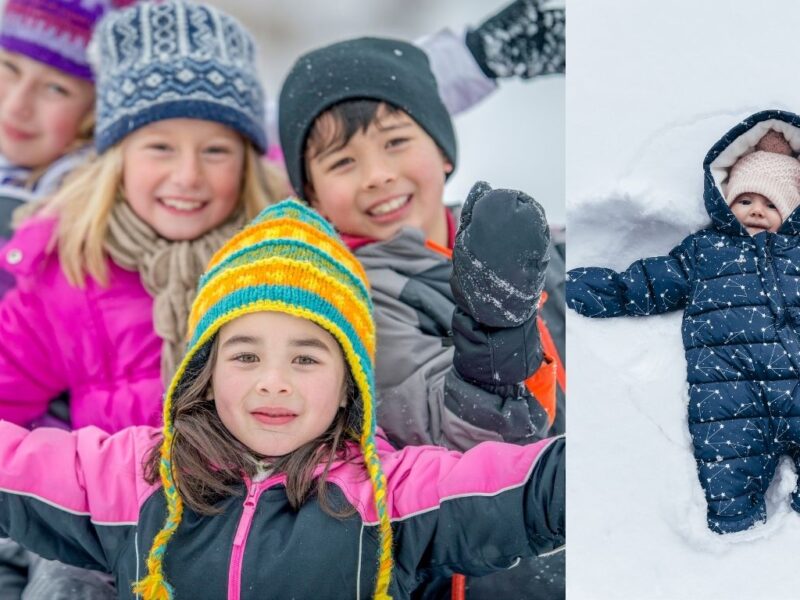
Keeping kids warm isn’t about putting them in the thickest coat you can find; it’s about using appropriate layers for the weather and activity.
Heavy, bulky clothes can restrict movement and make children uncomfortable during active play.
Follow this simple three-layer approach when conditions call for it:
Outer layer: Waterproof or weather-resistant coat or shell.
Mid layer: Fleece, warm sweater, or insulating pullover.
Base layer: Comfortable shirt and leggings or suitable thermal underwear.
1. The Base Layer: Comfort and Moisture Management
Choose a comfortable layer that sits close to the skin without restricting movement.
For everyday indoor use, a regular long-sleeve shirt may be sufficient. For prolonged outdoor activities in freezing conditions, consider a moisture-wicking base layer suited to the temperature.
Avoid leaving children in wet clothing. If their base layer becomes damp from sweat, snow, or rain, help them change when possible.
2. The Insulating Layer: Trapping Warmth
A fleece pullover or suitable sweater helps retain body heat. Choose a layer that fits comfortably beneath the outerwear without making it difficult for your child to move.
The amount of insulation needed depends on the temperature, wind, activity, and how long your child will remain outdoors.
A child running around a playground may need different layers from one standing still during an outdoor event.
3. The Outer Shell: Blocking Wind and Moisture
The outer layer protects against the weather. Choose a coat or shell appropriate for the expected conditions.
For wet snow or rain, water protection matters. In windy conditions, wind resistance can improve comfort. During severe cold, an insulated outer garment may be needed.
There is no single coat or combination that suits every winter climate. Follow local weather guidance and your child’s school or childcare recommendations. You can check honeyberry how to layer kids winter outfits without heavy dressing.
How do you know if your child needs another layer?
Check the conditions, your child’s clothing, and how they are behaving. A child who is shivering, uncomfortable, or wearing wet clothing needs attention rather than simply being told to keep playing.
Adjust layers as activity and temperature change. During breaks indoors, remove unnecessary outerwear to prevent overheating.
For more guidance, see the American Academy of Pediatrics’ cold-weather safety advice for children.
What to Buy vs. Skip: Smart Winter Shopping
Before filling your shopping cart during holiday sales or early Black Friday events, review what delivers real value versus what may go unused.
| Category | What to Buy | What to Skip |
| Holiday wear | Versatile festive colors and pieces that work for other occasions | Stiff outfits worn once for photographs |
| Footwear | Properly fitted boots with suitable traction and weather protection | Fashion booties unsuitable for snow or slush |
| Knitwear | Washable, comfortable sweaters and soft fleece | Itchy knits or garments requiring unnecessary special care |
| Outerwear | Weather-appropriate coats with secure closures | Coats chosen only for appearance or excessive bulk |
| Accessories | Comfortable hats, suitable mittens, and useful neck warmers | Impractical accessories that interfere with play |
| Snow gear | Waterproof trousers and insulated gear when conditions require them | Specialized equipment your child is unlikely to use |
| Everyday basics | Durable, coordinating tops and bottoms | Too many duplicates of items you already own |
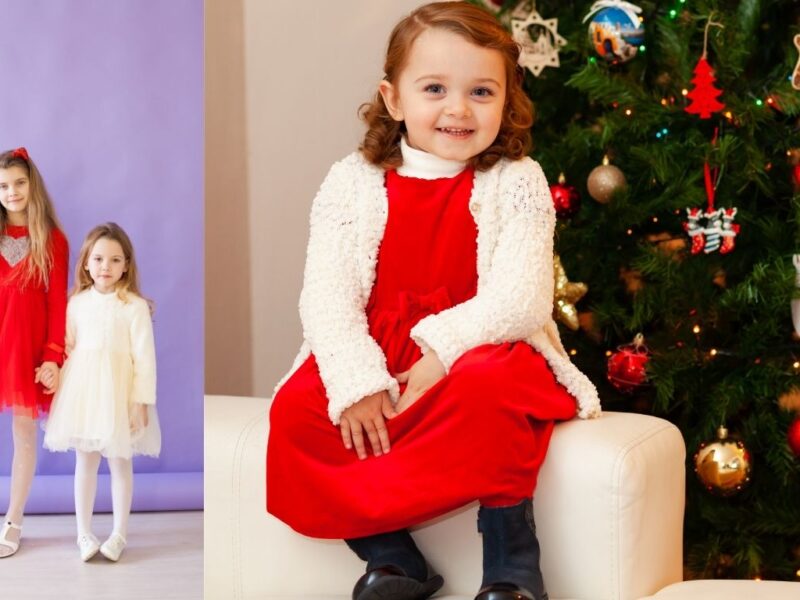
Holiday Outfits: Cute Is Good, but Versatile Is Better
There’s nothing wrong with buying a beautiful holiday outfit. The problem begins when your child’s wardrobe becomes full of clothes that only work for one event.
Instead of purchasing a complete outfit for every occasion, look for individual pieces that can be styled differently.
A festive sweater may work for a family gathering and an ordinary school day. A comfortable dress may be worn with tights and a cardigan for a celebration, then styled differently for another occasion.
Before you buy, ask yourself three questions:
- Can my child wear this more than once?
- Is it comfortable enough to stay on for the whole event?
- Does it work with shoes, coats, and accessories we already own?
If the answer to all three is yes, the purchase is more likely to be useful.
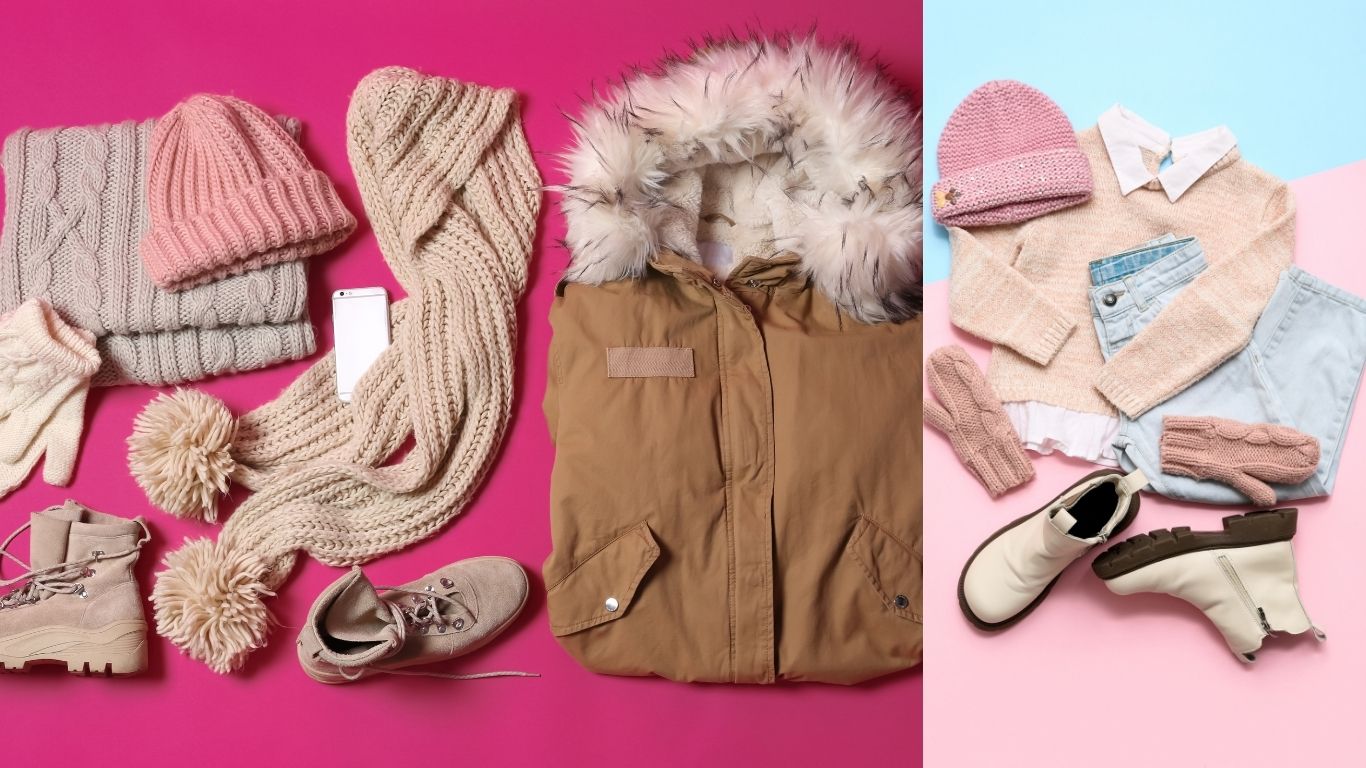
Essential Winter Accessories That Give You Value for Money
Winter accessories are notorious for getting lost at school or playground parks. Instead of overspending, focus on functional options and keep a spare set when your routine calls for it.
Neck Warmers Over Long Scarves
A comfortable neck warmer can be convenient for outdoor play because it stays closer to the neck than a loose scarf.
However, choose accessories suitable for your child’s age and activity, and follow school and playground safety guidance. Avoid accessories that can snag or interfere with movement.
Waterproof Mittens Over Thin Gloves
Thin knitted gloves can become wet quickly when children play in snow or touch wet surfaces.
Waterproof or water-resistant insulated mittens can help keep hands warmer and drier during these activities. Mittens are often easier for younger children to put on, while older children may prefer gloves for tasks requiring finger movement.
Keep a spare pair available if your child spends long periods outdoors.
Fleece-Lined Beanies
Look for a comfortable hat that covers the ears when needed and doesn’t irritate your child’s forehead.
The hat should fit securely without being so tight that your child constantly tries to remove it.
Warm Socks and Spare Accessories
Dry socks and mittens are useful backups for snowy days, daycare, and extended outdoor play.
Label your child’s accessories if they attend school or childcare. Simple labels can make it easier to identify belongings when several children have similar hats and gloves.
Money-saving tip: You don’t need several decorative versions of each accessory. Start with one or two useful options and replace items as they wear out or no longer fit.
3 Quick Tips for Building a Kids’ Winter Capsule Wardrobe
A capsule wardrobe is a small collection of clothes that work well together. It can help reduce clutter and make school mornings less stressful.
1. Pick a Cohesive Four-Color Palette
Choose two neutral colors, such as navy and gray, and two accent colors, such as icy blue, emerald, or muted pink.
The purpose is not to make every outfit look identical. It’s to make more combinations possible with fewer pieces.
If your child loves bright prints or colorful clothing, keep those preferences in the mix. A capsule wardrobe should make dressing easier, not remove your child’s personality.
2. Choose Fit Over Future Growth
It is tempting to buy a size larger because children grow quickly. However, a coat or pair of boots that is excessively large may be uncomfortable or interfere with movement.
Choose clothing that fits properly now and allows reasonable room for normal layers. Check sleeves, trouser length, shoulder fit, and boot fit before deciding to keep an item.
If you’re shopping online, compare the manufacturer’s measurements with your child’s current measurements and review the return policy.
3. Prioritize Easy On-and-Off Features
Look for elastic waistbands, manageable zippers, suitable hook-and-loop straps, and closures your child can learn to use.
These small details can save time during school preparation and encourage children to become more independent.
For younger children, practice putting on coats, hats, and boots when nobody is rushing out the door. A little practice can make cold school mornings easier.
How to Build a Winter Wardrobe on a Budget
You can build a useful winter wardrobe without buying everything at once.
The key is to separate essential purchases from optional ones.
Buy First: Essential Items
Prioritize the clothing your child needs to stay comfortable in the weather you actually experience.
This usually means a suitable coat, comfortable everyday clothing, properly fitting footwear, and essential accessories.
Buy Next: Items That Solve a Real Problem
Add thermal layers, snow pants, spare boots, or extra mittens when your child’s activities and climate justify them.
For example, if your child frequently returns from snow play with wet trousers, waterproof snow pants may be a more valuable purchase than another everyday sweater.
Buy Last: Optional Extras
Holiday outfits, trendy accessories, and duplicate coats can wait until you have covered the essentials.
This doesn’t mean you can never buy something simply because it is adorable. It means you can enjoy optional purchases without sacrificing the items your child needs most.
More Ways to Save Money
Shop your closet first. Try on last year’s clothes before shopping. You may find that several items still fit.
Look for second-hand bargains. Coats, sweaters, and everyday clothing in good condition can be useful budget options. Check fastenings, seams, insulation, and product recalls.
Shop seasonal sales carefully. A discount is useful only if the item is needed, fits properly, and is suitable for your climate.
Choose versatile pieces. Clothing that works with several other items can stretch your budget.
Set a spending limit. Write down the essentials before opening a shopping app or entering a store.
Check return policies. This is particularly important when buying boots or coats online because fit and comfort matter.
Common Winter Wardrobe Mistakes Parents Should Avoid
Even parents who plan carefully can end up buying items that don’t get used. Here are some common mistakes to watch for.
Buying Too Many Special-Occasion Outfits
Children grow quickly, and a holiday outfit may fit for only a short period. Buy special clothing intentionally and choose pieces that can be worn again whenever possible.
Choosing Style Over Weather Protection
A stylish coat isn’t useful if it doesn’t provide enough protection for the conditions. Similarly, attractive boots are not a substitute for suitable traction, fit, insulation, and weather protection.
Buying Everything Marketed as a Winter Essential
Not every child needs specialized thermal underwear, snow pants, multiple heavy coats, and expensive snow boots.
Your location, school routine, and outdoor activities should determine what you buy.
Forgetting About Wet Clothing
Wet socks, gloves, and base layers can leave children uncomfortable and cold. Have a plan for drying clothing and carrying spare items when needed.
Ignoring Car-Seat Safety
As mentioned earlier, bulky coats should not be worn under a car-seat harness. Use snug layers under the harness, check that the straps fit according to the manufacturer’s instructions, and add a blanket over the secured harness if needed.
Read the American Academy of Pediatrics’ winter car-seat safety advice.
Buying the Wrong Boot Size
Winter socks do not make an incorrectly fitted boot fit properly. Try footwear on with the socks your child will use and check toe room, heel movement, and walking comfort.
Forgetting to Check School Requirements
Some schools and childcare centers have particular expectations for outdoor clothing. Before purchasing snow gear, check whether your child’s school recommends or requires specific items for recess and outdoor activities.
How to Care for Winter Clothes So They Last
Good care can help your child’s winter clothing last longer and reduce unnecessary replacement costs.
- Follow care labels for washing and drying coats, fleece, and specialized fabrics.
- Close zippers and fasteners before washing when the instructions permit.
- Dry wet boots, coats, and mittens thoroughly according to their care instructions.
- Repair loose buttons or small tears when practical.
- Check boots for damaged soles, worn closures, and leaks.
- Store clean, completely dry seasonal clothing in a dry place.
- Remove outgrown items before the next season so you know what needs replacing.
For waterproof outerwear, follow the manufacturer’s instructions for maintaining water repellency.
Before reusing last year’s winter boots, check that they still fit properly and provide the protection your child needs. A bargain is not a bargain if the item no longer works.
Frequently Asked Questions About Kids’ Winter Wardrobes
How many winter outfits does a child need?
Four or five everyday tops and bottoms can be a reasonable starting point for many families, alongside suitable outerwear and enough socks and underwear for the laundry routine. Children in daycare or those who frequently get messy may need more changes of clothing.
What winter clothes should I buy first?
Start with a coat suitable for your local weather, comfortable everyday clothing, suitable footwear, warm socks, and essential accessories such as a hat and mittens. Add specialized snow gear when the climate and activities require it.
Is cotton or fleece better for winter?
They serve different purposes. Cotton can be comfortable for everyday indoor wear, while fleece is often useful as an insulating layer. Moisture-wicking synthetic fabrics or suitable wool layers may be preferable for prolonged cold-weather activities.
Should I buy my child’s winter coat a size larger?
Choose a coat that fits comfortably and allows room for normal layers without becoming excessively loose. Buying a much larger coat simply to make it last longer may make movement difficult.
Does every child need snow boots?
No. Children who regularly encounter snow, slush, or freezing conditions may need insulated, waterproof boots with good traction. In milder climates, different footwear may be sufficient.
How can I save money on winter clothes?
Check what still fits, prioritize essential purchases, choose clothes that coordinate, consider second-hand items in good condition, and avoid buying specialized gear until you know you need it.
How often should I replace my child’s winter coat?
Replace it when it no longer fits properly, no longer provides adequate protection, or is too damaged to function as intended. Age alone is not a reason to replace a coat that remains suitable and in good condition.
Final Thoughts: A Practical Winter Wardrobe Makes Life Easier
Planning your kids’ winter wardrobe ahead of time saves money, reduces clutter, and makes mornings and dressing your little ones less stressful.
You don’t need to buy every adorable sweater, every holiday outfit, or every product marketed as a winter essential. Start with what your child already owns, identify what is missing, and choose comfortable, versatile pieces that suit your family’s routine.
A good winter wardrobe should make life easier, not leave you wondering why you spent so much money on clothes your child refuses to wear.
Before your next shopping trip, check the closet, prepare your list, and set a budget. Your child can stay warm and look lovely without an overflowing wardrobe.
And if you find a winter outfit your child loves, feels comfortable in, and can wear more than once? That is a shopping win worth celebrating.
Helpful Links and Resources
Internal link 1: [Honeyberry’s Kids Winter Layering Guide: How to Keep Them Warm Without the Bulk]
Internal link 2: [Insert link to Honeyberry’s Quick Morning Hair and Outfit Routines for Kids]
External resource: American Academy of Pediatrics — Cold-Weather Safety for Children
External resource: American Academy of Pediatrics — Winter Car Seat Safety
Have And Safe This Post for Later!
Planning your kids’ winter wardrobe ahead of time can help you avoid unnecessary spending and make getting dressed on cold mornings much easier.
Save this checklist to your favorite Pinterest parenting or kids’ fashion board so you can refer to it before your next winter shopping trip.