Age-Appropriate Chores: Teaching Kids Responsibility & Character
Age-appropriate chores have been part of how I have taught my children responsibility from an early age. I didn’t start giving them household tasks because I wanted extra help around the house. If I’m being honest, sometimes letting them help takes longer than doing the job myself.
I started because I knew I couldn’t do everything for them forever.
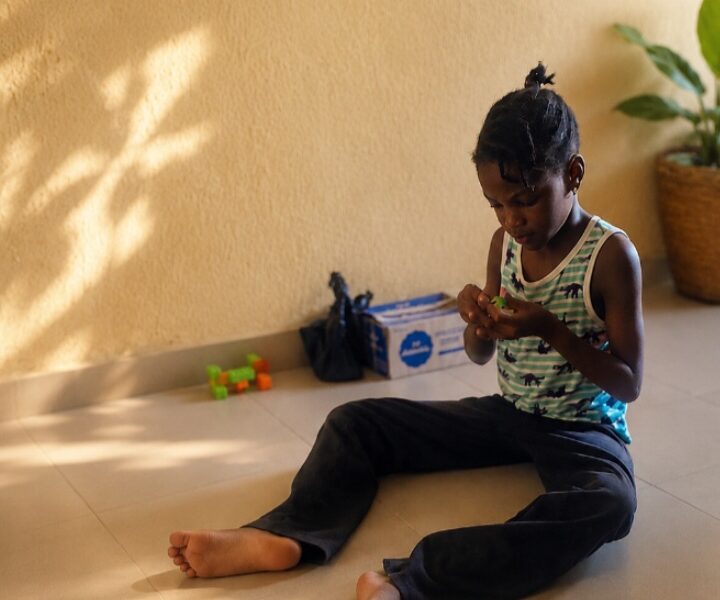
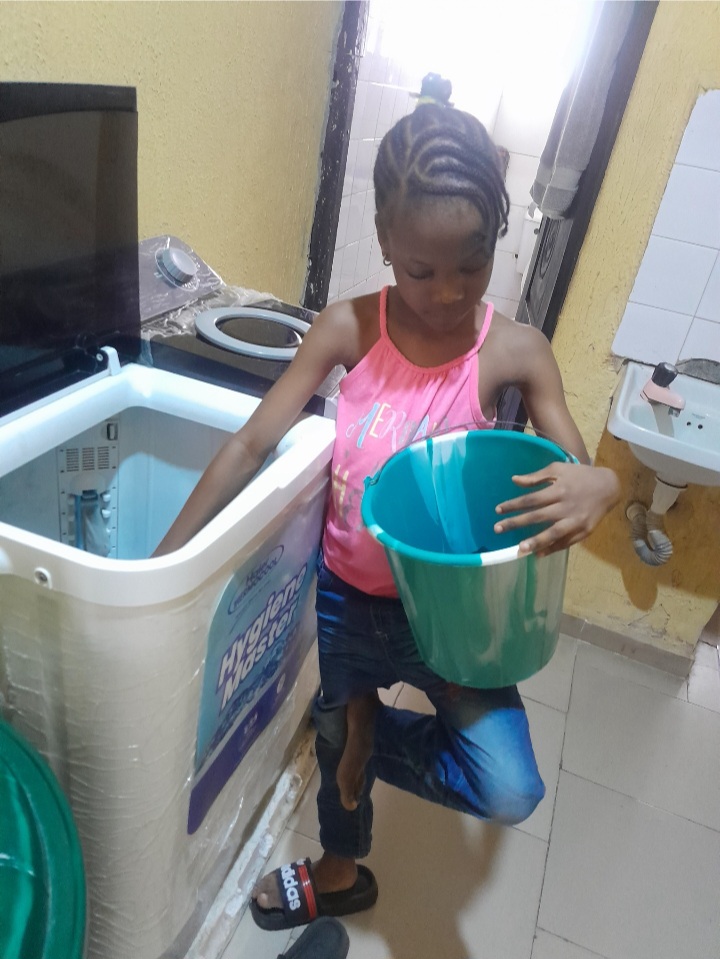
When my children were little, I began with simple things like teaching them to dress themselves and put on their entire outfits. After playing, they learned to tidy up their toys. By around five, they had started washing their own plates. Around six and seven, they began sweeping little areas of the house and helping me pack washed clothes from the dryer. By eight, they were learning how to load clothes into the washing machine and help with some of the younger children’s needs while I was busy.
None of this happened all at once. I simply increased their responsibilities as they grew and became capable of handling more.
And somewhere along the way, I realized that these weren’t just chores. I was teaching my children how to become capable, responsible people.
Why Age-Appropriate Chores Matter
As mothers, it is very easy to do everything ourselves. You can dress your child faster than they can dress themselves, clean up the toys before they have picked up three of them, and wash a plate in seconds instead of standing there while a five-year-old figures out how much soap to use.
When you are busy, doing things yourself can seem like the easiest option. I know this because I have been there. Sometimes you simply want to finish the job and move on to the next thing.
But there is a difference between helping our children and doing everything for them. If I always step in because I can do something faster, my children don’t get the opportunity to practice doing it themselves.
That was one reason I started giving them age-appropriate chores while they were still young. The American Academy of Pediatrics recommends household responsibilities that match a child’s age and abilities because chores can help children develop responsibility, independence and confidence while learning to contribute to family life. HealthyChildren.org — American Academy of Pediatrics
For me, the goal was never to make my children responsible for running the house. I wanted them to learn how to look after themselves, care for their belongings and understand that everyone in a family has a part to play.
Age-Appropriate Chores for Kids by Age
There isn’t one perfect chore list that works for every child. Children develop at different rates, and maturity, confidence and physical ability all matter. A task that one child can handle comfortably may still require help for another.
So I don’t think parents should become overly concerned about whether their child is doing exactly what another child of the same age can do. Instead, look at what your own child is ready to learn. If they can safely manage a task with the right instruction and supervision, it may be time to introduce it.
The idea is simple: start small, teach the child properly and gradually increase the responsibility as they grow.
Ages 2–4: Simple Age-Appropriate Chores
Young children often want to do things for themselves. They want to put on their shoes, carry their own things and help with whatever Mum is doing. That desire for independence can become a wonderful opportunity for learning.
At this age, children can begin putting toys into a basket after playing, returning books to a shelf, placing dirty clothes in the laundry basket, putting shoes where they belong and helping clean up small spills. They can also begin learning to dress themselves, even if they still need some assistance.
This is where I started with my children. Teaching them to put on their entire outfits may not sound like a chore, but it was one of the first ways I encouraged independence. Instead of waiting for me to dress them every morning, they gradually learned that getting ready was something they could participate in themselves.
It may take longer at first, and their clothes may not always look as neat as they would if you had dressed them. That’s okay. The purpose isn’t to save time. The purpose is to give them practice.
Ages 4–5: Building Responsibility Through Chores
By preschool age, children can gradually become more responsible for the things they use every day. After playing, they can tidy their toys, put books away, help make their bed, place dirty clothes in the laundry basket and clear their plate from the table.
In our home, tidying up after play became part of the routine. I didn’t want the children to grow up thinking that someone else would always come behind them and clean whatever they left behind.
That doesn’t mean their rooms have to look perfect. They are still children, and they will need reminders. The important part is helping them understand that their belongings and the mess they create are not automatically somebody else’s responsibility.
This is one of those simple routines that can quietly teach accountability.
Around Age 5: Learning to Wash Their Plates
By around five, my children had started washing their own plates. It wasn’t always perfect, and there were certainly times when I could have done it much faster. But if I had continued washing every plate simply because I could do it better, they would have missed an opportunity to learn.
Washing a plate after eating is a small responsibility, but it introduces an important idea: when you use something, you can also help take care of it. Children begin to see that keeping a home running involves many small jobs, and those jobs don’t have to belong to one person.
This is also where children begin to understand that contributing to the family isn’t necessarily about getting a reward. Sometimes you simply do your part because you are part of the family.
Ages 6–7: Sweeping and Helping with Laundry
Around six and seven, my children started sweeping the house little by little. I wasn’t expecting them to clean the entire house or sweep like an adult. They were learning how to handle a broom, clean a small area and gradually take more responsibility.
They also started helping me pack washed clothes from the dryer. This gave them another opportunity to contribute to something that benefited everyone in the household rather than only looking after their own belongings.
At this stage, I noticed that the children were beginning to understand that household work is simply part of everyday life. There are clothes to put away, floors to clean and things to organize. Nobody needs to make a big announcement every time something needs doing.
That awareness is valuable because responsibility eventually becomes less about waiting for instructions and more about noticing what needs to be done.
Around Age 8: Learning Practical Household Skills
By around eight, my children had started learning how to load clothes into the washing machine. I introduced the process gradually rather than expecting them to know everything at once.
They learned how the clothes go into the machine, that different clothes may require different settings and that household appliances need to be used carefully. It became another practical skill that they could learn while they were still at home and had me nearby to guide them.
Older children can gradually take on more involved responsibilities, depending on their maturity and abilities. These might include folding and putting away laundry, helping prepare simple food, cleaning appropriate areas, organizing their belongings and taking more responsibility for their daily routines.
The American Academy of Child & Adolescent Psychiatry also highlights age-appropriate chores as opportunities for children to develop responsibility, organization, time-management skills and independence. AACAP — Chores and Children
These are skills I would rather teach gradually while my children are at home than expect them to suddenly know when they become adults.
How Chores Teach Children Character
The reason I value chores isn’t simply because they get things done. Ordinary household responsibilities give children opportunities to practice qualities that we want them to carry into other areas of life.
When a child remembers to put away their belongings, they are practicing responsibility. When they keep trying to complete a difficult task instead of immediately giving up, they are developing perseverance. When they notice that Mum is busy and offer to help, they are beginning to understand consideration.
Even something as simple as sweeping the floor can teach children that being part of a family means contributing. They don’t have to enjoy every task, but they can learn that necessary work still has value.
That is why I don’t see age-appropriate chores as just housework. I see them as everyday opportunities to build character.
Teaching Children to Help Without Giving Them Adult Responsibilities
I have also had to remind myself that children helping around the house doesn’t mean they should carry adult responsibilities. My older children can help with the younger ones in simple, age-appropriate ways when I am busy. They can entertain them, help pick up toys or assist with something small.
However, helping a younger sibling is not the same as making an older child responsible for that child’s safety or care. Children still need their parents, and older siblings shouldn’t be expected to become substitute parents.
The purpose is to give them opportunities to practice patience, kindness and helpfulness while keeping the responsibility appropriate for their age.
Don’t Expect Perfect Chores
This can be one of the hardest parts of teaching children household responsibilities. Your child sweeps the floor, but there are still crumbs in the corner. They wash their plate, but you notice something they missed. They fold clothes, and their folding looks completely different from yours.
It can be tempting to take over and redo everything, especially when you are already busy. But if the child is learning, perfection shouldn’t be the main goal.
The goal is progress.
If something needs correcting, show them what they missed and explain how they can improve. Then let them have another opportunity. The American Academy of Pediatrics also recommends realistic expectations and encouragement rather than expecting perfection while children are learning household responsibilities. HealthyChildren.org — Chores and Responsibility
A child who is allowed to practice will eventually become more capable.
What If My Child Refuses to Help?
Teaching children chores doesn’t mean they will happily jump up every time you ask. There will be days when they complain, negotiate or become interested in anything except the task in front of them. That’s normal. Children are still learning how to manage frustration and follow through on responsibilities they may not particularly enjoy.
When that happens, I try not to turn every chore into a battle. I keep the expectation clear and consistent. If my child needs to tidy up before moving on to another activity, I remind them rather than turning the situation into a long argument. Sometimes I may give them a little choice about when to do it, but the responsibility still needs to be completed.
For example, I might say, “You can play again after you finish putting your toys away.” I’m not trying to punish them for being children. I’m teaching them that responsibilities sometimes need to be completed before we move on to something more enjoyable.
That lesson becomes useful as children grow. Adults don’t always feel like washing dishes, cleaning, working or completing an unpleasant task either. Learning how to handle necessary responsibilities even when we aren’t in the mood is part of becoming a responsible person.
This is also where the way we discipline matters. I don’t want every responsibility to become a shouting match or a power struggle. My goal is to correct the behavior while still respecting the child. This is one reason my article [How Positive Discipline Builds Strong, Confident ChildrenAge-Appropriate Chores: Teaching Kids Responsibility & Character] is closely connected to this topic.
Chores Don’t Have to Be Perfectly Equal
Children don’t necessarily need exactly the same chores. An older child may be ready for a task that a younger child cannot safely manage, while another child may need more support because of their individual abilities.
Fairness doesn’t always mean everyone does the same thing. Sometimes it means everyone contributes according to what they can reasonably handle.
As children grow, their responsibilities can grow too. A toddler may put toys away, while an older child may handle laundry. Neither child is doing less simply because the tasks are different. They are contributing at their own level.
What I Want My Children to Take With Them
When I look at the chores my children have learned over the years, I don’t really care whether they remember the exact age they started sweeping or washing their plates. What matters more to me is what those everyday experiences are preparing them for.
I want my children to know how to look after themselves without always waiting for someone else to step in. I want them to understand that their belongings need to be cared for, that work is a normal part of life and that being part of a family means contributing rather than expecting someone else to do everything.
I also want them to notice other people. When an older child helps a younger sibling or sees that Mum is busy and offers a hand, they are beginning to understand that their actions can make life easier for someone else. That kind of consideration is difficult to teach through words alone. Children need opportunities to practice it.
Most importantly, I want them to have confidence in their own abilities. I want them to be willing to try instead of immediately saying, “Mum, do it for me.” They won’t always get things right, and that’s okay. They can learn, make mistakes, improve and try again.
One day, they will have homes of their own, their own clothes to wash, meals to prepare and responsibilities to manage. I won’t always be there to remind them what needs to be done. The hope is that these things won’t feel completely new because they will have been practicing responsibility for years.
That is why I don’t see the chores as the most important part of this lesson. The character being developed through those chores is what matters to me.
Start Small With Age-Appropriate Chores
If your child isn’t doing chores yet, you don’t need to start with a complicated chore chart. Choose one responsibility that matches their age and ability, teach them how to do it and give them time to practice.
A young child can put toys away after playing. A preschooler can begin putting their shoes and clothes where they belong. Around five, a child may be ready to help wash their plate, while an older child can gradually learn to sweep, help with laundry and take on other practical household responsibilities.
You don’t need to rush the process, and you don’t need to compare your child with somebody else’s. What matters is that you are giving your child opportunities to become more capable as they grow.
That is what I have tried to do with my own children. Looking back, I can see that the chores were never really about having extra hands around the house. The plate they washed, the toys they tidied, the floor they swept and the clothes they helped put away were all small opportunities to practice responsibility.
Even helping with younger siblings has taught them that being part of a family means noticing when someone else needs a little help.
And yes, I teach my children chores because I am a busy mother. Having children who can take care of some of their own responsibilities certainly makes family life easier. But that’s not the whole story.
I teach them because I want to raise children who know how to take care of themselves, contribute to their family and face everyday responsibilities with confidence.
Sometimes, character building doesn’t look like a big parenting lesson. Sometimes it looks like a child putting away their toys after playtime.