Disclaimer:Iam a parent sharing my personal exeperience.Th econtenton Honeyberry Blog is for informational and should not be taken as professional medical orlegal advice
Kids Winter Hair Care: How to Prevent Dryness and Tangles
When the temperature drops, parenting routines naturally adapt. We pull out heavy winter coats, lay out thermal layers, and stock up on lip balm to protect delicate skin. However, one critical area often gets overlooked until the first major morning meltdown over a hairbrush: maintaining a proper kids winter hair care routine. Cold weather can turn smooth morning prep into a stressful battle against painful knots, stubborn static, and severe dryness.
Winter presents a unique dual threat to young tresses. Outside, freezing air strips away surface moisture. Inside, central heating units and furnaces dry out indoor air completely. Combine these environmental factors with rough wool beanies, heavy coats, and continuous fabric friction, and you have a recipe for brittle strands, matting, and breakage.
Fortunately, protecting your child’s delicate locks does not require spending hours in the bathroom every night. By establishing a consistent, practical strategy, you can easily prevent dry hair in children while keeping their hair soft, manageable, and healthy. In this comprehensive guide, we will break down simple, step-by-step techniques from hydrating wash days and protective styles to daily moisturizing methods that make kids winter hair care tear-free for the whole family.
Kids Winter Hair Care: Why Cold Weather Is So Harsh
Understanding how winter weather damages hair helps you build a targeted protection strategy. Children’s hair is naturally more delicate than adult hair. Their hair shafts are thinner, their cuticles are less dense, and their scalps produce less natural oil (sebum). Consequently, environmental shifts affect them much more rapidly, making a dedicated kids winter hair care plan essential.
The Winter Hair Friction Cycle
-
Cold Outdoor Air: Strips natural surface moisture and forces the hair cuticle layer to crack and lift.
-
Indoor Radiators & Furnaces: Lowers humidity indoors, drying out internal hair elasticity and producing static electricity.
-
Coarse Fabric Contact: Wool coats, acrylic beanies, and fleece scarves rub directly against lifted cuticles.
-
Severe Tangles & Breakage: Constant friction snaps dry strands, causing matting at the nape of the neck and split ends.
The Impact of Low Humidity Outdoors
Cold air holds significantly less moisture than warm summer air. When your child steps outside to play, the dry atmosphere acts like a sponge, drawing moisture directly out of their hair cuticles. As the hair shaft loses water content, the cuticle layer becomes raised and rough rather than remaining flat and smooth. Raised cuticles cause individual hair strands to catch on one another, leading to severe tangles and matted spots, especially at the nape of the neck.
The Drying Effect of Central Heating
Indoor climate control creates an equally challenging environment. Radiators, forced-air heaters, and fireplaces decrease relative indoor humidity levels below the ideal range (30% to 50%). Spending long hours in warm, dry rooms continuously dehydrates hair, making strands brittle and prone to static flyaways. This constant fluctuation between freezing outdoor air and warm indoor heating weakens hair elasticity over time.
Fabric Friction and Mechanical Damage
Winter clothing materials are another hidden cause of hair damage. Wool coats, synthetic acrylic beanies, and bulky fleece scarves create continuous friction against hair fibers. Every time your child turns their head, runs on the playground, or pulls a sweater over their head, rough fabric fibers snag loose strands. This mechanical stress breaks fragile ends, creates tiny knot clusters, and leads to noticeable hair thinning along the hairline and neck.
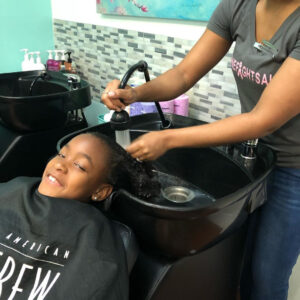
Step 1: Hydration & Washing Rethink Your Kids Winter Hair Care Wash Day
Adjusting your wash day approach is the cornerstone of effective kids winter hair care. During warm summer months, frequent shampooing is often necessary to wash away sweat, pool chlorine, and playground sand. In the winter, however, frequent washing strips away essential scalp oils, leaving hair exposed to harsh environmental elements.
Optimal Wash Day Routine
-
Pre-shampoo Treatment: Apply a small amount of warm oil or leave-in spray to ease detangling before cleansing.
-
Sulfate-Free Cleansing: Wash gently with a non-stripping shampoo to remove scalp buildup.
-
Deep Conditioning: Apply a thick moisturizing mask or conditioner for 10 to 15 minutes.
-
Gentle Slip Rinse: Detangle with conditioner in the hair before doing a final cool-water rinse.
Switch to a Moisturizing, Sulfate-Free Shampoo
Clarifying shampoos and products containing harsh cleansing agents (like Sodium Lauryl Sulfate or Sodium Laureth Sulfate) should be put away during cold months. These chemicals clean thoroughly, but they strip away natural lipids that guard the hair shaft against freezing temperatures.
Instead, select a gentle, tear-free shampoo designed specifically for sensitive scalps and dry conditions.
-
Key Hydrating Ingredients: Look for formulas containing aloe vera leaf juice, plant glycerin, shea butter, chamomile extract, and coconut oil.
-
Ingredients to Avoid: Steer clear of drying alcohols, artificial dyes, parabens, and strong synthetic fragrances that irritate sensitive skin.
-
Wash Frequency: Reduce washing to once a week for fine or straight hair, and every 10 to 14 days for coily or natural textures. If hair gets dirty between scheduled washes, rinse it with warm water or use a hydrating co-wash (cleansing conditioner).
Master the Deep Conditioning Routine for Kids Winter Hair Care
A regular deep conditioning treatment restores essential hydration and rebuilds strand flexibility, making it a critical component of kids winter hair care for toddlers and older children alike. Deep conditioners contain rich plant fats and humectants that repair micro-cracks in the hair cuticle.
-
Divide Hair into Sections: Divide your child’s hair into four neat, manageable quadrants using soft clips. Working in sections prevents hair from matting during the wash process and reduces physical overwhelm for your child.
-
Apply Product Generously: Focus product application on the mid-lengths down to the ends. The ends are the oldest, most fragile parts of the hair shaft and require the highest concentration of moisture.
-
Use Gentle Heat for Penetration: Cover their hair with a lightweight plastic shower cap, then wrap a warm, damp towel over top for 10 to 15 minutes. Mild warmth opens the cuticle layer, allowing nourishing oils to absorb deeply into the core of each strand.
-
Provide Immediate Slip: Never attempt detangling dry hair during winter. Always detangle while the deep conditioner is still in the hair, providing plenty of smooth slip so your brush or wide-tooth comb glides through without pulling.
For more detailed strategies on managing sensitive wash days and keeping your child comfortable, review our guide on Easy Holiday Hairstyles for Kids: 10 Quick, Photo-Ready Ideas.
To check the safety ratings of your child’s shampoos and conditioners, consult the Environmental Working Group’s Skin Deep Database to ensure your products contain non-toxic, gentle ingredients.
Step 2: Protective Styling Essential Kids Winter Hair Care Techniques
Once hair is thoroughly cleansed and conditioned, the next priority in your kids winter hair care routine is keeping fragile ends tucked away from cold weather elements. Protective styling reduces daily handling, locks in internal moisture, and shields hair against heavy winter clothing friction.
Low-Tension Protective Styles for Active Kids
When styling children’s hair, maintaining low scalp tension is vital. Hairstyles that pull too tightly can cause traction alopecia, inflamed hair follicles, and severe scalp tenderness. Always ask your child if a hairstyle feels too tight before securing it with a soft elastic.
| Style Name | Best Hair Type | Protection Benefits |
| Two-Strand Twists | Wavy, Curly, Coily (Types 2C–4C) | Locks in moisture, prevents knots |
| Flat Twists | All Hair Textures (Types 2A–4C) | Lays flat under hats and beanies |
| Dutch / Box Braids | Straight, Wavy, Curly (Types 1A–3C) | Keeps ends contained all day |
| Low Crown Bun | Long Hair (All Textures) | Tucks fragile ends away from wool coats |
How to Style Without Tension
-
Dampen Before Styling: Never style bone-dry hair. Mist strands lightly with water or a hydrating leave-in conditioner spray before combing or braiding.
-
Choose the Right Accessories: Replace thin rubber bands with seamless microfiber elastics or satin scrunchies. Rubber bands grab onto individual strands and snap them when pulled out.
-
Avoid Hairline Tension: Leave tiny baby hairs loose around the temples and forehead. Avoid pulling edges tightly into ponytails or braid rows.
-
Rotate Styles Weekly: Change up hair parting lines every few days. Wearing the exact same ponytail or braid style in the same position causes repeated mechanical stress on identical hair follicles.
Step 3: Daily Moisture & Nighttime Protection in Kids Winter Hair Care
Hydration should not stop on wash day. In fact, maintaining a daily moisture routine is what prevents midday tangles and nighttime matting. Applying light daily moisture ensures hair retains its flexibility when exposed to harsh winter elements.
The LOC/LCO Method for Long-Lasting Hydration
The LOC (Liquid, Oil, Cream) or LCO (Liquid, Cream, Oil) method is a proven technique for layering products to lock moisture into the hair shaft.
-
Liquid (L): Start with water or an aloe vera-based leave-in spray to hydrate the hair shaft.
-
Cream (C): Apply a moisturizing lotion or leave-in conditioner to smooth the cuticle layer.
-
Oil (O): Seal everything in with a light natural oil, such as jojoba oil, sweet almond oil, or argan oil.
For finer hair textures, use a light misting spray followed by a tiny drop of jojoba oil on the ends. For thicker, coily textures, richer shea butter creams and castor oil work exceptionally well to lock in moisture during cold months.
-
Step 1: MIST (Liquid)
-
Product: Light water or aloe spray
-
Purpose: Hydrates the hair
-
-
Step 2: SMOOTH (Cream)
-
Product: Leave-in lotion
-
Purpose: Softens the strands
-
-
Step 3: SEAL (Light Oil)
-
Product: Jojoba or Argan oil
-
Purpose: Locks in moisture
-
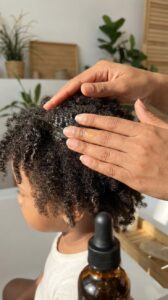
Nighttime Satin Protection
Nighttime care is just as critical as morning preparation. Standard cotton pillowcases absorb moisture directly out of hair while your child sleeps. Furthermore, the rough texture of cotton creates friction as your child tosses and turns, resulting in severe morning bedhead and stubborn knots.
-
Satin Pillowcases: Swap out cotton pillowcases for smooth satin or silk alternatives. Satin allows hair to glide smoothly across the pillow without snagging.
-
Satin Bonnets & Slouchy Caps: For children comfortable wearing head coverings, a soft satin bonnet keeps braids, twists, and curls neat overnight. Look for bonnets with wide, adjustable elastic bands that do not leave deep lines on young foreheads.
Winter Accessories: Protecting Hair from Wool and Fleece
Winter accessories like beanies, ear muffs, and scarves are essential for staying warm, but they are notorious for snagging hair. Coarse wool and acrylic fibers absorb moisture and catch on delicate cuticles, creating matted patches at the crown and base of the neck.
How to Winter-Proof Your Child’s Hats and Scarves
-
Lined Beanies: Purchase hats that are pre-lined with smooth satin or silk inside. If you already have favorite knit beanies, you can easily sew a satin bonnet or fabric scrap inside the crown.
-
Scarf Placement: Ensure long hair is secured in a low braid or bun above heavy coat collars and fleece scarves rather than letting hair hang loose beneath them.
-
Headband Swaps: Choose fleece-lined ear warmers or satin headbands instead of tight knit caps on days when full head coverage is not strictly necessary.
Troubleshooting Common Winter Hair Issues in Children
Even with a solid kids winter hair care plan in place, seasonal shifts can bring unexpected challenges. Here is how to handle the three most common winter hair problems quickly and painlessly.
1. Static Electricity and Flyaways
Static occurs when dry air causes electrical charges to build up on dry hair strands. When hair lacks moisture, individual strands repel one another, flying up in every direction.
-
Quick Fix: Lightly rub a drop of jojoba oil or a tiny dab of leave-in conditioner between your palms, then smooth your hands over the surface of your child’s hair. Avoid synthetic anti-static sheets, as they contain harsh chemicals not formulated for young skin.
2. Flaky, Dry Scalp
Cold weather often leads to a dry, itchy scalp. It is important to distinguish between simple dry scalp (caused by low humidity) and seborrheic dermatitis (cradle cap or dandruff).
-
Quick Fix: Massage a few drops of lightweight oil (like jojoba or tea tree oil diluted in a carrier oil) directly into the scalp before bedtime. Avoid slathering heavy petroleum jelly or thick greases on the scalp, as these can clog hair follicles and trap dry skin flakes.
3. Matted Knots at the Nape of the Neck
Collars, coat hoods, and scarf edges create constant friction against the lower hairline, causing severe matting by the end of the school day.
-
Quick Fix: Spray the matted section generously with a dedicated detangling spray or a mixture of warm water and conditioner. Allow the spray to sit for two minutes to soften the knot. Gently work the tangle apart using your fingers first, starting from the ends and moving upward toward the scalp, before using a wide-tooth comb.
Simple Weekly Kids Winter Hair Care Checklist
To make managing your child’s hair effortless throughout the cold season, keep this simple weekly schedule handy:
-
Sunday (Wash Day): Cleansing with sulfate-free shampoo, deep conditioning with mild heat, gentle detangling, and setting a low-tension protective style.
-
Tuesday & Thursday (Mid-Week Refresh): Lightly misting hair with water/leave-in spray, smoothing ends with a natural oil, and refreshing protective edges.
-
Daily Nighttime Routine: Securing hair in a loose pineapple or braids, placing satin bonnets, and ensuring satin pillowcases are on beds.
Establishing a consistent kids winter hair care routine transforms daily hair styling from a stressful task into an enjoyable bonding moment. By keeping hair hydrated, choosing tension-free protective styles, and shielding strands from harsh winter fabrics, you can protect your child’s delicate locks all season long. With a few simple adjustments, dry strands and morning tangles will become a thing of the past!