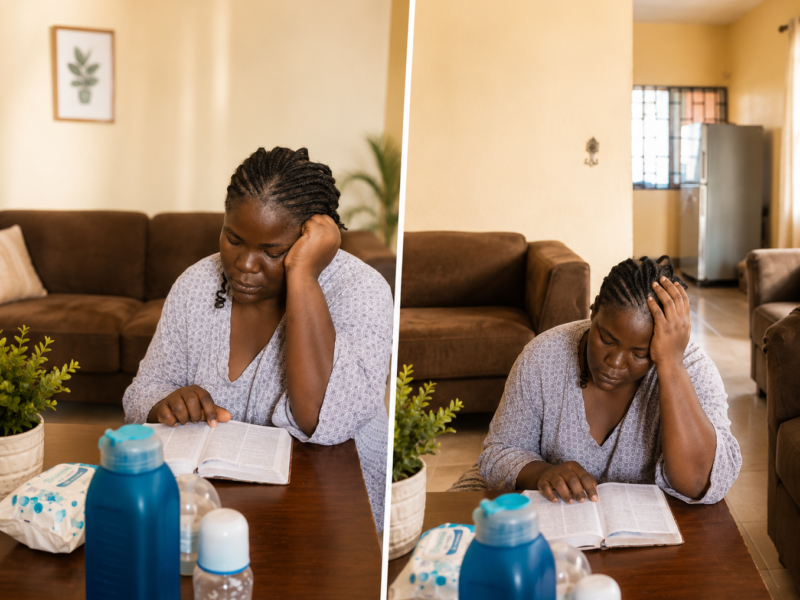
If you step into any parenting group online today, you will see mums and dads scanning and surfing the internet trying to build the perfect child. We pay for elite lessons, stress over the best schools, and try to implement the right faith-based parenting strategies before our kids can even tie their shoelaces. We want them to excel in school, master skills, land great future careers, and get every single opportunity we never had.
But if we are being completely honest with ourselves, true success isn’t just about a heavy bank account or a fancy title. When the house is finally quiet at night, the real questions start hitting us. How do we raise a child who won’t bow to peer pressure? How do we build a child who actually has deep character, genuine confidence, compassion, and a true sense of purpose in this crazy world?
Raising Children with Divine Purpose
Faith completely shapes how I look at my two daughters and my baby boy. This spiritual foundation shifts us from being managers who just control bad behavior, to intentional guides who look at our kids and speak life into their future.
Scripture tells us that children are a heritage from the Lord. This truth means they are not empty vessels waiting for us to fill them up. They come into this world with unique personalities and raw strengths. As parents, we hold a divine responsibility to notice and nurture these gifts.
Sometimes, the very qualities we are fasting and praying for are already showing up in their everyday actions. We just need the eyes to see them.
Why Faith-Based Parenting Strategies Focus on Unique Gifts Over Perfection
One of the most powerful adjustments you make when you lean into faith-based parenting strategies is learning to look at your child’s traits with spiritual eyes. Children may be young, but their spirits are huge!
Proverbs 20:11 reminds us that even a child is known by their deeds, whether their conduct is pure and right. They display remarkable qualities like empathy, courage, and leadership from early on. They show these traits long before they even understand what those words mean.
Seeing Leadership Strengths in Everyday Situations
Just recently, my 6-year-old daughter taught me this lesson in the most shocking way during their ballet practice. My older daughter had noticed that one of her classmates, who happens to be her 4-year-old sister’s ballet partner, was being a bit too playful and rough during their previous practice. Fast forward to the next class, this same classmate had an issue with my 4-year-old and actually slapped her.
Before the teacher could even step in, my 6-year-old stood up, looked the girl in the eye, and defended her younger sister boldly. She told her straight up that she had absolutely no right to slap her sister and that what she did was wrong. The girl ended up apologizing right there!
As a mum, my heart swelled with pride, but it also made me reflect. My daughter wasn’t just being a protective big sister. She was exhibiting raw leadership traits right in front of me.
She knew what was right, used her voice boldly, defended someone vulnerable, and addressed the problem with respect instead of fighting. Leadership is not just about being the person in charge or being the strongest in the room. It is about courage, kindness, and the confidence to stand for truth.
Practical Ways to Apply Faith-Based Parenting Strategies Everyday
Building character and confidence in our homes doesn’t happen during a formal family meeting. It happens in the messy, loud, everyday moments of life. Deuteronomy 6 commands us to teach God’s ways diligently to our children when we sit in our houses, when we walk by the way, when we lie down, and when we rise up.
First, we have to teach values through everyday experiences. Children don’t learn character from long speeches. They learn from watching the daily gist of our lives.
They learn responsibility when we assign them chores at home. They learn kindness when they see how we treat the house help, the delivery driver, or our neighbors. Small, repeated moments build heavy character.
Speaking Life to Protect Their Confidence
Next, we must speak life into our children to build confidence. Proverbs 18:21 says that death and life are in the power of the tongue. Our kids see themselves through the mirror of our words.
In a typical African household, the temptation to use words that sting when a child messes up can be real. But when we constantly highlight only mistakes, our children start believing that they are the mistake.
Instead of saying, “Why are you always so careless and clumsy?” let’s use this instead. Try saying; [which is always hard to implement], “This action was not responsible, but I know you are a smart child who will make a better choice next time.” You are correcting the behavior while completely protecting their confidence.
Remember, God uniquely designed every single child. One might naturally take charge, another creates beautiful things, one shows incredible compassion, while another observes quietly. Our job as parents is not to force them into a single, rigid mold. It is to study them, discover their unique strengths, and help them develop those gifts.
Prayer is the tool that anchors all of this. Let’s be real motherhood will make you question your sanity especially the strong-willed children .Prayer brings the divine wisdom, patience, and supernatural understanding needed to guide these little hearts without crushing their spirits.
Giving Kids the Space to Practice Leadership
We have to deliberately create small spaces at home where they can stretch their leadership wings. Like the faithful servant in the parables, they must learn to be faithful with little things before handling big things.
Let them make age-appropriate choices, even if it means wearing a mismatched outfit to the supermarket. Give them real, non-negotiable responsibilities around the house that actually affect the family flow. When they make a mistake or hurt a sibling, don’t just yell. Guide them through the uncomfortable process of looking someone in the eye, apologizing, and making it right. That is how we form real-world leaders.
Nurturing the Person Your Child Is Becoming
At the end of the day, intentional parenting is a long game. We are not just trying to survive the toddler tantrums or the primary school chaos. We are actively shaping the adults who will walk through doors we may never enter. We are training them up in the way they should go, so that when they are old, they will not depart from it.
The fine clothes, the great schools, and the toys are wonderful, but they are just the background noise. The real work is happening in the quiet moments. It happens in how you handle their big emotions, how you speak to them when you are tired, and the steady grace you show them every single day.
When we create an environment anchored in faith, we give our kids the ultimate gift: a secure identity rooted in Christ. And a child who knows exactly who they are can never be shaken by a world that tries to tell them who to be.
Your Quick Take-Home Pack
Let’s turn this gist into action!
- The Word Check: Catch yourself when a child triggers you. Pause for three seconds before you speak and correct the behavior without attacking their actions. [self-control is needed here]
- The Grace Window: Give your child one specific area of independence this week. Let them plan a weekend activity, manage a new household chore, or look after a small task for a younger sibling completely on their own.
- The Blessing Habit: Before they go to school or head to bed, lay a hand on their shoulder and speak a specific, positive scriptural truth over their identity.”As a mother, I have come to realize that I can shape my child’s behavior, but only God can transform their heart.”
Frequently Asked Questions
How can parents raise children with strong moral values?
Consistency and modeling build strong values. Show your children what integrity, biblical kindness, and responsibility look like in your own daily choices. Give them practical opportunities to practice those same values at home.
How do faith-based parenting strategies build a child’s inner confidence?
These strategies anchor a child’s identity in their intrinsic value rather than their performance. When children know you love them unconditionally and that God designed them with a specific purpose, they develop a secure sense of self. External pressure cannot easily break that confidence.
What is the best way to develop leadership skills in a young child?
Stop doing everything for them! Give them age-appropriate choices, trust them with real responsibilities around the house, and encourage them to voice their thoughts respectfully. Do not step in to rescue them immediately.